


If your tooth has suddenly become sensitive to sweets, several things could be causing it, including enamel wear, gum recession, tooth decay, or exposed dentin. Tooth sensitivity to sweets does not always mean you have a cavity.
If the pain lingers, occurs without eating or drinking, hurts when biting, or comes with swelling, fever, or a bad taste, see a dentist. Mild, brief sensitivity with no warning signs can usually be monitored and managed with simple care measures. Keep reading to learn what may be causing your sensitivity and what you can do about it.
5 Main Causes for Tooth Sensitivity to Sweets
Sudden tooth sensitivity is more common than it feels. A review of over 70 studies found it affects about a third of people on average, and over half of patients who visit a dental clinic specifically for it.
Several things can make a tooth suddenly sensitive to sweets. These are possible causes, not a diagnosis for your situation. A dentist can help determine what is happening in your mouth.
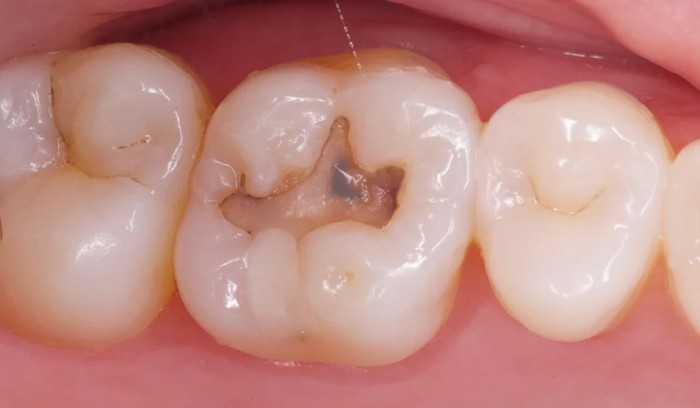
1. A new or recurring cavity
Tooth decay can break through the hard outer layer of the tooth (called enamel) and reach the softer layer underneath (called dentin). Once dentin is exposed, sweets can trigger sharp pain because the sugar affects the tiny fluid-filled tubes inside the dentin that connect to the nerve.
2. Enamel erosion
Acidic foods and drinks, brushing too hard, or acid reflux can gradually wear away enamel. When enamel thins or disappears, dentin becomes exposed. This exposure often leads to sensitivity to sweets and other triggers.
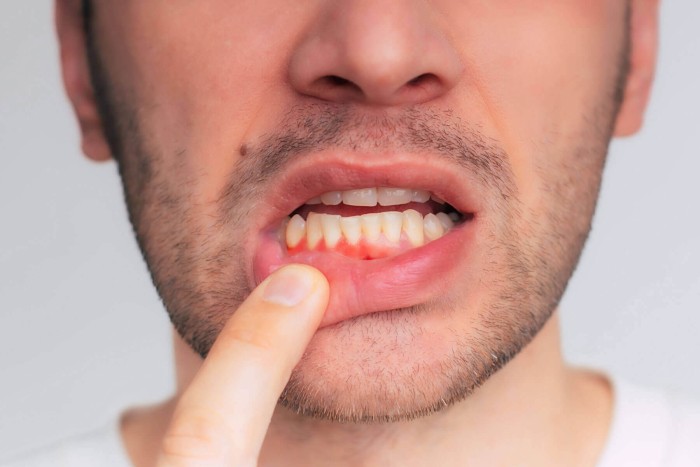
3. Gum recession
When gums pull back, they can uncover the tooth root. Roots do not have the same protective enamel covering as the crown of the tooth. The exposed root surface contains open dentinal tubules, which can make the tooth react strongly to sweets.
Research findings: Studies comparing sensitive and non-sensitive teeth found that sensitive teeth have about 8 times more open microscopic channels in the dentin, and those channels are roughly twice as wide, letting fluid move through them about 100 times faster.
Learn more: Why Your Gum Health Is More Important Than You Think
4. A crack or hairline fracture
A crack in the tooth can allow sweets to reach sensitive areas inside. Teeth grinding (bruxism) can contribute to these cracks over time. Even a small hairline fracture may cause sudden sensitivity that appears when you eat something sweet.
Read more: Cracked Tooth Emergency: When Is It a Dental Emergency?
5. Recent dental treatment
Sensitivity can appear after procedures such as teeth whitening or a professional cleaning. In many cases this is temporary and settles as the tooth recovers. The reaction happens because the treatment can briefly affect the outer layers or the nerve response.
Back-up statistics: In a four-week study of at-home whitening, about half of patients felt some sensitivity in the first week, but by the end of the study, that dropped to under 10%. Sensitivity from whitening is common, but it tends to fade quickly on its own.
Note: These factors can all lead to the same result: exposed dentin that reacts when sugar causes fluid movement inside the tubules and stimulates the nerve. Only a dental exam can identify the actual reason in your case.

Take Care of Your Sensitive Tooth with No Stress
A tooth that suddenly hurts when you eat something sweet may have a simple cause, but it can also be an early sign of decay, a crack, or another dental problem. At Lisgar Park Dental, we can examine the tooth, find the likely cause, and explain what needs to be done.
Book Your Dental Examination.
Should You See a Dentist for Tooth Sensitivity to Sweets?
Most mild cases of tooth sensitivity to sweets are not an emergency. Still, certain signs mean it is wiser to book a dental appointment sooner rather than later. Knowing the difference helps you act calmly and appropriately.
Signs That Mean You Should See a Dentist Sooner
Book an appointment or consider it as a dental emergency if you have any of these symptoms:
- Pain that lingers for more than about 30 seconds after the sweet is gone
- Sensitivity that appears without eating or drinking
- Pain that wakes you at night
- Pain when you bite down
- Sensitivity that is getting worse or keeps returning
- Swelling, fever, or a persistent bad taste
Swelling or fever can be signs of an infection or abscess and should not be ignored. These symptoms do not automatically mean something serious is wrong, but they do call for a proper dental evaluation from a dental hygienist to rule out problems that need treatment.
Depending on what is causing the sensitivity, treatment may include fluoride treatment for exposed dentin, a filling for tooth decay, restorative treatments for a cracked tooth, or root canal treatment if the tooth’s nerve is affected.
Useful guide: Do You Need a Root Canal? Patients’ Guide to Symptoms & Treatment

What You Can Do If Symptoms Are Mild
If the sensitivity is brief, happens only with sweets, and none of the warning signs above are present, or while waiting for your appointment, you can usually monitor it for now:
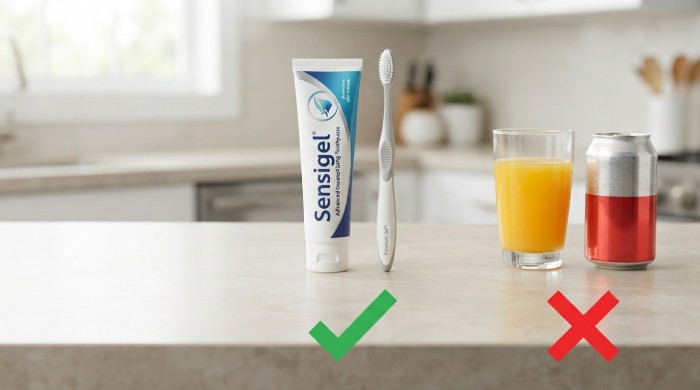
- Start using a desensitizing toothpaste that contains potassium nitrate
- Brush with a soft-bristled toothbrush and use gentle pressure instead of scrubbing hard
- Cut back on frequent acidic drinks and sugary drinks while the sensitivity settles
Keep using the sensitivity toothpaste every day rather than only when the tooth hurts; consistent use gives better results.
Important Note: Following these habits consistently over time may help prevent sensitivity from coming back or even occurring in the first place. However, if the sensitivity returns or develops despite following these habits, it is important to have the tooth examined by a dentist to identify the underlying cause. Some cases may require more specific or extensive treatment.
Diagnose and Treat Sensitive Teeth at Lisgar Park Dental
When you come to Lisgar Park Dental with tooth sensitivity to sweets, we start with a careful examination of the affected tooth and the surrounding gums. We check how the tooth responds to different stimuli and take an X-ray when needed to look for decay, a crack, or another issue that may not be visible on the surface.
Treatment then depends on what we find, so not every sensitive tooth receives the same care. Once the cause is clear, we discuss the appropriate treatment options with you.
We accept the Canadian Dental Care Plan (CDCP) and most major insurance plans with direct billing. If your sensitivity has lasted more than a few days or comes with any warning signs, contact us at (647) 370-0590 or book an appointment online. You can also visit us at 68 Abell St Unit RT3, Toronto, ON M6J 0B1.
FAQ
Why do I only feel it with sweets, and not hot or cold?
Sugar can trigger pain by causing fluid to move inside the tiny tubes in exposed dentin, which can stimulate the nerve. This is often explained by the hydrodynamic theory. It’s useful to learn more about why your teeth hurt when the weather is cold.
Does tooth sensitivity to sweets always mean a cavity?
No. Enamel erosion, gum recession, cracks, and other issues can also cause sensitive teeth with no cavity present.
Can whitening toothpaste or treatments cause tooth sensitivity?
Yes. Whitening products can temporarily increase sensitivity in some people by affecting the outer layers of the tooth.
Can sensitive teeth heal on their own?
Mild cases linked to brushing or diet may improve with changes. Decay, cracks, or significant recession usually need professional care.
Is it normal for sensitivity to come and go?
Yes, especially with erosion or occasional triggers. Recurring or worsening sensitivity should still be evaluated by a dentist.
Have you experienced tooth sensitivity to sweets? Share what you noticed or ask your question in the comments below.
