

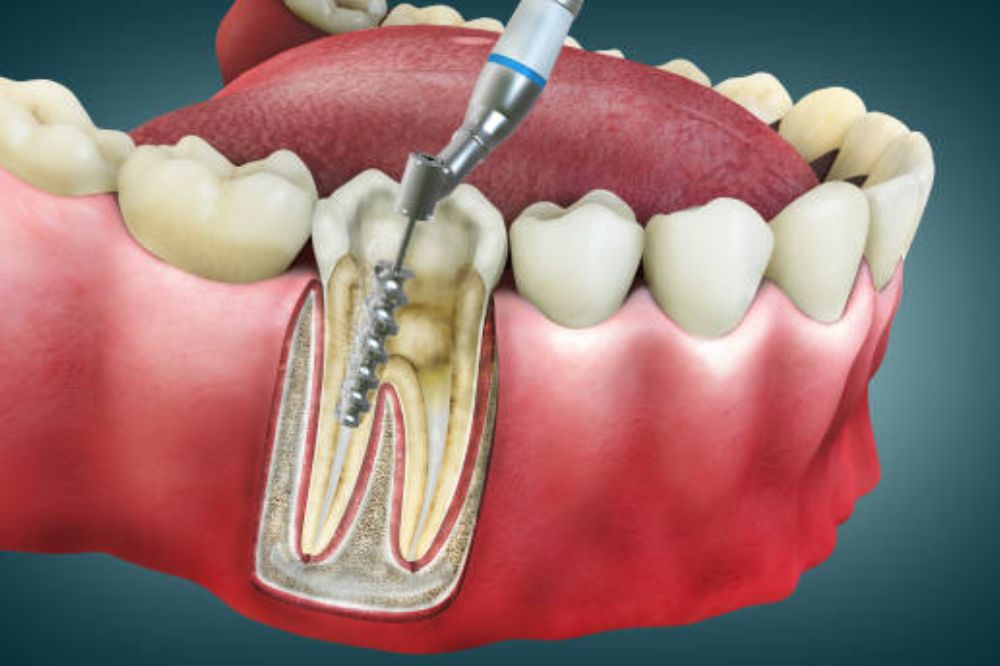
Experiencing persistent tooth pain or unusual sensitivity can be alarming, and often, the phrase “you might need a root canal” can evoke a sense of dread. However, understanding what a root canal is, why it’s necessary, and what to expect can transform apprehension into reassurance.
At Lisgar Park Dental in Toronto’s vibrant Queen West, we believe informed patients are empowered patients. This guide will walk you through everything you need to know about root canal therapy, helping you recognize the signs and understand why timely treatment is crucial for your oral health.
What Root Canal Therapy Is and Why It’s Needed
Root canal therapy, often simply called a root canal, is a common and highly effective dental procedure designed to save a tooth that has become severely infected or damaged. Far from the painful ordeal of past myths, modern root canal therapy is comparable to a routine dental filling, often performed with minimal discomfort.
Inside each of your teeth, beneath the hard enamel and dentin layers, lies a soft tissue called the pulp. This pulp contains nerves, blood vessels, and connective tissue, extending from the crown of the tooth down to the root tips. When this pulp becomes inflamed or infected – often due to deep decay, a cracked tooth, or trauma – it can cause significant pain and, if left untreated, lead to a serious dental infection.
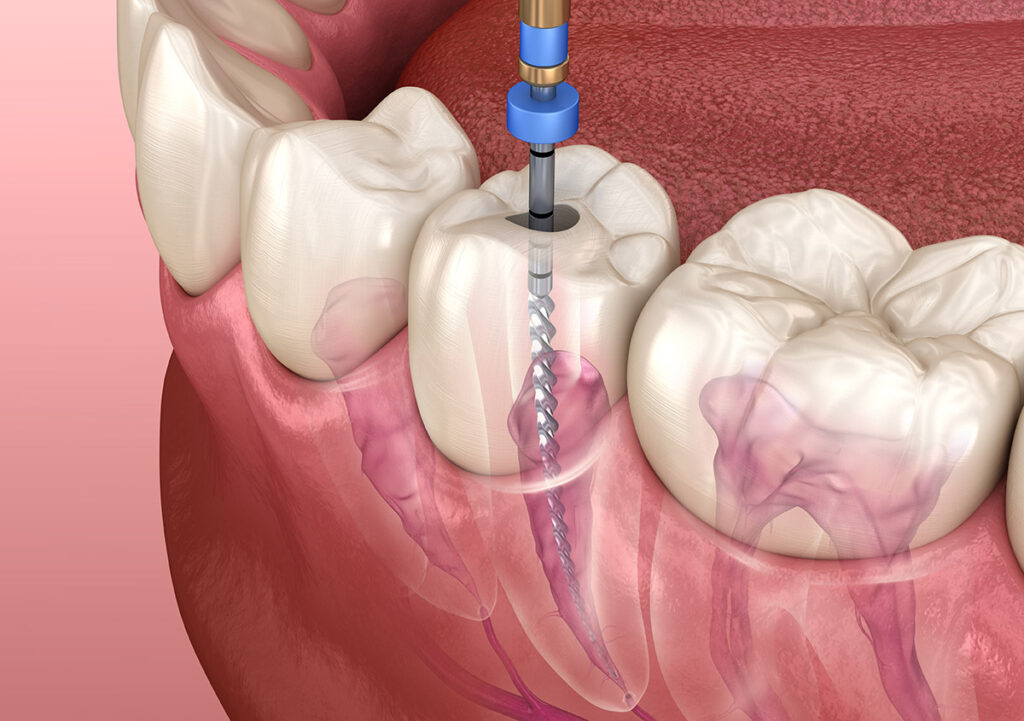
The purpose of a root canal is to remove the infected or inflamed pulp, clean and disinfect the inside of the tooth, and then fill and seal it to prevent further infection. This process effectively eliminates the source of pain and saves your natural tooth, preventing the need for tooth extraction.
How Do You Know You Need a Root Canal?
One of the most common questions we hear is, “How do you know if you need a root canal?” While only a dental professional can provide a definitive diagnosis, there are several key root canal symptoms and indicators that suggest you may require this essential treatment. Recognizing these early signs can help you seek timely care and prevent further complications.
Common Root Canal Symptoms to Watch For
If you’re wondering what the early signs of a root canal are, pay close attention to these common indicators:
- Pain When Chewing or Biting: If you experience sharp pain when chewing or putting pressure on a specific tooth, it could indicate nerve damage or inflammation within the tooth.
- Persistent Tooth Pain: This is often the most telling sign. The pain may be constant, throbbing, or intermittent, and can range from mild to severe. It might worsen when you bite down or apply pressure to the tooth. This tooth pain often indicates inflammation or infection within the pulp.
- Sensitivity to Hot and Cold: While some sensitivity is normal, lingering sensitivity to hot or cold temperatures after the stimulus has been removed can signal a problem with the tooth’s pulp. If the pain persists for more than a few seconds, it’s a red flag.
- Swelling and Tenderness in the Gums: An infected tooth can cause visible swelling around the affected area. Your gums may also feel tender to the touch, or you might notice a small, pimple-like bump on the gums near the infected tooth. This bump, known as an abscess, indicates a spreading dental infection.
- Pimple-Like Bump on the Gums (Abscess): This specific sign, often called a “fistula,” is a clear indication of an infection trying to drain. It may come and go, but the underlying infection remains and needs professional attention.
- Tooth Discoloration: An infected tooth may appear darker than its neighbours, often taking on a greyish or blackish hue. This discoloration is a result of the internal tissue breakdown and lack of blood flow to the pulp.
What Causes the Need for a Root Canal?
Understanding what causes the need for a root canal can help you take preventive measures. The primary reasons often relate to damage or infection reaching the tooth’s sensitive inner pulp:
- Deep Decay: Untreated cavities can progress, allowing bacteria to penetrate through the enamel and dentin layers, eventually reaching and infecting the pulp.
- Cracked or Chipped Tooth: A severe crack or chip in a tooth, whether from an injury or biting something hard, can create an opening for bacteria to enter the pulp, leading to infection.
- Dental Trauma: A blow to the mouth can damage the tooth’s pulp, even if there’s no visible crack or chip. This damage may not manifest immediately, but can lead to infection over time.
- Repeated Dental Procedures: Multiple dental procedures on the same tooth, such as extensive fillings or restorations, can sometimes weaken the tooth or irritate the pulp, making it more susceptible to infection.
Important Note: Symptoms and causes mentioned are for educational purposes only. For a more detailed diagnosis and consultation, visiting a dentist is required.
Seeking for Relief?
Our compassionate team is here to make your root canal experience as comfortable as possible. Schedule your appointment at Lisgar Park Dental to discuss your treatment options.
Book your consultation now!
The Root Canal Procedure at Lisgar Park Dental
The thought of a root canal procedure can be daunting, but modern dentistry has made it a routine and comfortable experience. At Lisgar Park Dental, our team prioritizes your comfort and uses advanced techniques to ensure a smooth and effective treatment. Let’s address a common concern:
Is a Root Canal Painful? Addressing Common Concerns
Many patients ask, “Is a root canal painful?” The truth is, the pain associated with a root canal is typically from the infection itself, not the procedure. During the treatment, your dentist will thoroughly numb the area, ensuring you feel no pain. Most patients report feeling only pressure or mild discomfort, similar to getting a routine filling. After the procedure, some soreness is normal, which can be managed with over-the-counter pain relievers.

A Step-by-Step Breakdown of the Root Canal Process
Understanding the steps involved can further alleviate any anxiety:
- Diagnosis and Anesthesia: First, we’ll confirm the diagnosis with X-rays and a thorough examination. Before beginning, a local anesthetic will be administered to numb the affected tooth and the surrounding area completely.
- Isolation: A small sheet of rubber, called a dental dam, is placed around the tooth to keep it dry and free from saliva during the procedure, ensuring a sterile environment.
- Access Opening: A small opening is made in the crown of the tooth to access the pulp chamber and root canals.
- Cleaning and Shaping: Using tiny, flexible instruments, the infected or inflamed pulp is carefully removed from the pulp chamber and root canals. The canals are then cleaned, disinfected, and shaped to prepare them for filling.
- Filling the Canals: Once thoroughly cleaned, the root canals are filled with a biocompatible, rubber-like material called gutta-percha. This material seals the canals to prevent future infection.
- Sealing and Restoration: A temporary filling is placed to seal the access opening. In most cases, a dental crown or other restoration will be needed shortly after the root canal to protect the treated tooth from fracture and restore its full function and appearance. This final step is crucial for the long-term success of your root canal therapy.
The Risks of Delaying Root Canal Therapy
While the decision to undergo any dental procedure is personal, understanding what happens if you don’t get a root canal is vital. Delaying treatment for an infected tooth can lead to severe and potentially life-threatening complications. Many patients wonder, “How long can you put off a root canal?” The answer is, ideally, not at all once an infection is diagnosed.
The dangers of postponing the treatment when you need a root canal include:
- Spreading Infection: The most significant risk is that the dental infection will spread beyond the tooth. It can spread to the jawbone, surrounding teeth, gums, and even into other parts of your body, potentially causing serious systemic health issues. A dental abscess can form, which is a pocket of pus that can be very painful and dangerous.
- Increased Pain and Discomfort: As the infection progresses, the tooth pain will likely become more intense and constant, making it difficult to eat, sleep, or focus on daily activities.
- Tooth Loss: If the infection becomes too severe or if the tooth structure is too compromised, the tooth may no longer be salvageable, necessitating extraction. Saving your natural tooth with a root canal is always preferred over extraction, as it maintains your bite and prevents issues like shifting teeth and bone loss.
- Systemic Health Issues: Untreated oral infections have been linked to broader health problems, including cardiovascular disease, diabetes complications, and other inflammatory conditions. Ignoring a severe tooth infection can impact your overall well-being.
Timely intervention with root canal therapy not only alleviates pain and saves your tooth, but also safeguards your overall health and avoids further dental emergencies.
Recovery and Aftercare for Your Root Canal
After your root canal therapy, it’s normal to experience some mild sensitivity or soreness for a few days, especially when chewing. This can typically be managed with over-the-counter pain medication. We’ll provide specific aftercare instructions to ensure a smooth recovery.
Crucially, the treated tooth will need a permanent restoration, usually a dental crown, to protect it from fracture and restore its strength and appearance. This step is vital for the long-term success and durability of your root canal. With proper care, a tooth treated with a root canal can last a lifetime.
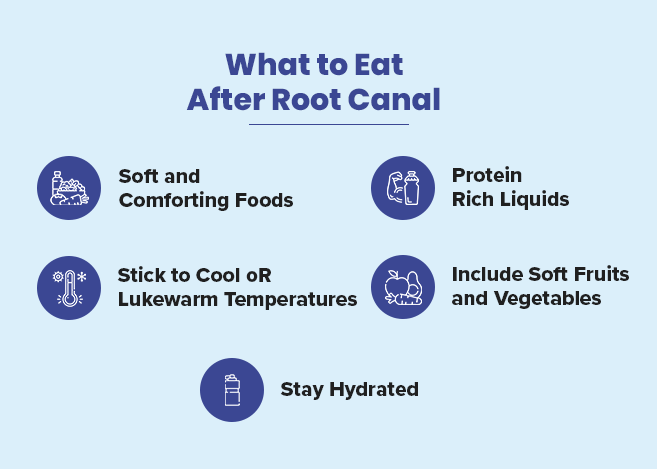
Healing after a root canal therapy, according to medical studies, and according to our experience with most of our patients, occurs within a week. During the healing period, you’d better pay attention to the following instructions:
Why Choose Lisgar Park Dental for Your Root Canal in Toronto?
When you need a root canal in Toronto, especially in the Queen West area, choosing a dental clinic that combines expertise with a patient-centred approach is paramount. At Lisgar Park Dental, we pride ourselves on:
- Convenient Location: Located in the heart of Queen West, Lisgar Park Dental is easily accessible for residents across Toronto seeking high-quality dental care.
- Experienced Professionals: Our skilled dentists are highly trained in endodontic procedures, ensuring precise and effective treatment.
- Advanced Technology: We utilize modern dental technology, including digital X-rays and advanced instruments, to enhance the accuracy and comfort of your procedure.
- Patient Comfort: We understand dental anxiety. Our team is dedicated to creating a calming and supportive environment, offering amenities and a gentle approach to make your experience as pleasant as possible.
- Comprehensive Care: From initial diagnosis to the final restoration, we provide complete care, ensuring your tooth is not only free from infection but also fully restored to function and aesthetics.
Book Your Appointment Today
If you suspect you need a root canal or are experiencing any of the symptoms mentioned, please do not delay seeking professional dental attention. Ignoring these signs can lead to more severe pain, widespread infection, and potentially irreversible damage to your tooth and overall health. At Lisgar Park Dental, we are dedicated to providing compassionate, effective root canal therapy and comprehensive dental care to our community in Toronto — Queen West.
Let us help you alleviate your pain and save your smile. Contact Lisgar Park Dental today to schedule your consultation and take the first step towards a healthier, pain-free mouth. Your comfort and well-being are our top priority.
FAQ
How long does a root canal take?
The duration of a root canal procedure typically varies depending on the tooth’s complexity and the number of canals. Generally, it can take one to two hours, often completed in a single visit, though some cases may require two appointments.
Is a root canal painful?
Modern root canal therapy is performed under local anesthesia, so you should not feel any pain during the procedure. Any discomfort felt is usually from the pre-existing infection, not the treatment itself. Post-procedure soreness is normal and manageable with pain relievers.
What should I do after a root canal?
After a root canal, avoid chewing on the treated tooth until your permanent crown or restoration is placed. Follow your dentist’s specific instructions regarding oral hygiene and medication. Some sensitivity is normal, but contact us if you experience severe pain or swelling.
Can a root canal fail?
While root canals have a very high success rate (over 95%), a small percentage can fail. This might be due to a new infection, incomplete cleaning, or a fractured tooth. In such cases, a re-treatment or other options may be considered.
Can I avoid a root canal?
The best way to avoid needing a root canal is through excellent oral hygiene practices, including regular brushing, flossing, and routine dental check-ups. Addressing cavities promptly and protecting your teeth from trauma can significantly reduce your risk.
Have questions about the need for root canal therapy?
Share your thoughts and join the conversation below!
