



Just felt or saw a crack in your tooth? That moment of uncertainty can be stressful, wondering whether you need to rush to a dentist or if it can wait.
A cracked tooth emergency isn’t always straightforward. The right action depends on your specific symptoms. Severe pain, sharp sensitivity to temperature, or pain while chewing can mean it’s urgent and needs emergency dental care. On the other hand, a minor crack with minimal discomfort may not be an immediate emergency, but still needs proper attention to prevent bigger problems.
In this guide, you’ll find clear answers about your symptoms, what to do right now, and the best treatment options.
Quick Guide: Is Your Cracked Tooth an Emergency?
If you’re not sure how serious your cracked tooth is, use this simple table to quickly assess your situation:
| Aspect | Cracked Tooth Emergency | Non-Emergency Cracked Tooth |
| Main Symptoms | Sharp pain when biting, lingering sensitivity to hot/cold, swelling, pain at night | Thin hairline crack, mild or no pain, no swelling |
| What to Do Right Now | Rinse with warm water, cold compress, avoid chewing on that side, take pain relief, see dentist immediately | Gentle brushing, avoid hard foods, rinse with warm saltwater, book appointment in 2-3 days |
| Common Treatments | Root Canal + Crown, Dental Crown, or Extraction | Dental Bonding, Dental Crown, or Monitoring |
Now, let’s examine these two situations in more detail.
When It Is a Cracked Tooth Emergency
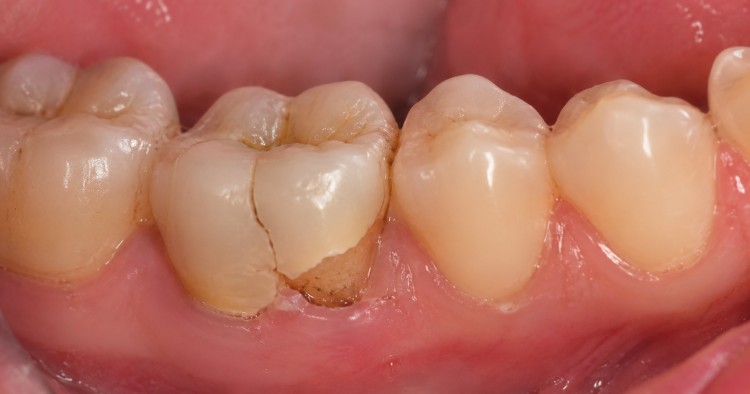
If you’re experiencing significant discomfort from your cracked tooth, it’s important to act quickly. A cracked tooth emergency usually means the damage has reached deeper layers of the tooth and may lead to infection if not treated promptly.
Symptoms of a Cracked Tooth Emergency
Watch for these warning signs that suggest your cracked tooth needs urgent care:
- Sharp or throbbing pain when biting or chewing, especially when releasing pressure
- Intense sensitivity to hot, cold, or sweet foods/drinks that lingers
- Pain that comes and goes or wakes you up at night
- Swelling in the gum or face near the affected tooth
- A visible crack line that feels sharp with your tongue
- Feeling like the tooth is loose or unstable
Clinical Evidence: Cracked teeth are not always limited to surface damage and can extend to the pulp. According to a study published on NCBI, around 18.1% of cracked teeth show pulp necrosis, and this risk increases significantly when the crack is deeper or associated with periodontal involvement.
In the same research, deeper cases with increased probing depth showed up to 31.8% pulp necrosis, highlighting why symptoms like biting pain or lingering sensitivity should be taken seriously.
Related Topic: When to Worry About Tooth Sensitivity and What to Do
What to Do Right Now
While waiting to see a dentist, here’s what you should do:
- Rinse your mouth gently with warm water to clean the area.
- Apply a cold compress on the outside of your cheek for 10–15 minutes to reduce pain and swelling.
- Avoid chewing on the cracked side completely.
- Take over-the-counter pain relief such as ibuprofen (if safe for you) to manage discomfort.
- Do not use the tooth for anything hard or sticky.
- Do not try to glue or fix the tooth yourself.
These steps help protect the tooth and keep you more comfortable until you get professional care.
Cracked Tooth Emergency Treatment Options
For a serious cracked tooth, the dentist will assess the depth of the fracture. Common treatments include:
- Dental Crown: Often the first choice for moderate to severe cracks to hold the tooth together and protect it.
- Root Canal + Crown: If the crack has reached the pulp (nerve), a root canal is needed to remove infected tissue, followed by a crown.
- Extraction: In very severe cases where the tooth cannot be saved, the dentist may need to remove it to prevent spread of infection.
Clinical Evidence: Treatment outcomes for cracked teeth are generally favorable when managed early. A large clinical study reports that when appropriately treated or monitored, cracked teeth show an overall survival rate of about 80% over 3 years (PubMed Study).
When the crack involves the pulp and requires root canal treatment followed by a crown, long-term success remains high, making early diagnosis key to avoiding more invasive treatment or extraction.
Read more: Do You Need a Root Canal? Patients’ Guide to Symptoms & Treatment
Special Considerations for Children and Older Adults
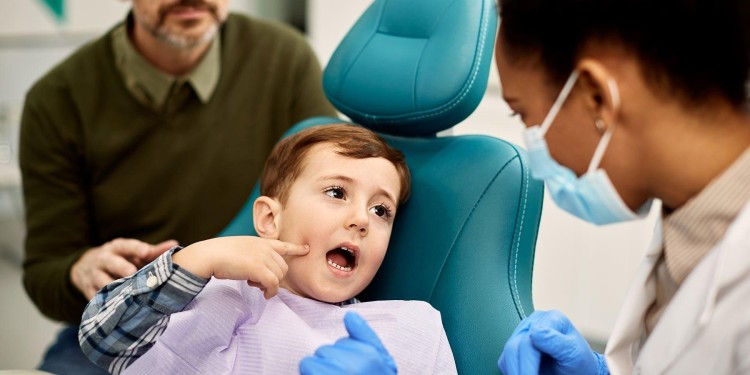
For Children: Even small cracks can be more serious because they may affect the developing permanent tooth underneath. Children also might not clearly communicate the level of pain. If your child has a cracked tooth, it’s generally safer to treat the situation as potentially urgent and see a pediatric dentist promptly.
For Elderly Parents: Older teeth tend to be more brittle and dry mouth (a common side effect of medications) increases the risk. Infections can spread faster and have more serious effects in seniors. Don’t delay evaluation if you notice a crack; early action is especially important.
According to the given considerations, you can check out our guide on Essential Tips for Finding a Trusted Family Dentist in Toronto.
Protect Your Tooth Before the Crack Gets Worse
Not every cracked tooth is a dental emergency, but getting it checked early can help prevent future pain, infection, or more complex treatment. At Lisgar Park Dental, we provide thorough evaluations and personalized treatment options to help keep your smile healthy and protected.
Contact us today to schedule a consultation.
When a Cracked Tooth Is Not an Emergency
Sometimes a cracked tooth is less severe and doesn’t require immediate attention. However, even if it’s not an emergency, it’s important not to ignore it completely.
Non-Emergency Cracked Tooth Symptoms
You can usually wait a few days for a dental appointment if you have these milder signs:
- A thin, hairline crack visible on the tooth (often called craze lines)
- Little to no pain or only very mild sensitivity
- Occasional discomfort when chewing but nothing sharp or lingering
- No swelling in the gums or face
- The tooth feels stable and doesn’t hurt when you release pressure
These cracked tooth symptoms are common and often limited to the outer enamel layer.
If you’re unsure about your gum health condition:
All Gum Disease Symptoms You Should Keep an Eye on
What to Do While Waiting for Your Appointment
Even if it’s not urgent, take these simple steps to protect your tooth:
- Continue brushing and flossing gently, but avoid the cracked area with hard pressure.
- Avoid chewing hard, sticky, or very cold/hot foods on that side.
- Rinse your mouth with warm saltwater once or twice a day to keep the area clean.
- Monitor your symptoms closely. If pain increases or new symptoms appear, treat it as an emergency.
- Schedule a dental visit within 2–3 days for proper evaluation.
Treatment Options for Non-Emergency Cracked Tooth
For milder cracks, your dentist has several conservative options:
- Dental Bonding or Composite Filling: A tooth-colored material is used to seal and strengthen the crack.
- Dental Crown: The most common and reliable solution for most cracked teeth, as it fully covers and protects the tooth.
- Monitoring: In very superficial cases, the dentist may simply observe the tooth during regular check-ups.
Treating a non-emergency cracked tooth early helps prevent it from turning into a more serious cracked tooth emergency later.
Causes & Types of Tooth Fracture and Cracked Teeth
Cracked teeth are often caused by chewing hard foods (like ice or nuts), teeth grinding at night (bruxism), large old fillings that weaken the tooth, sudden trauma, or natural weakening of enamel over time.
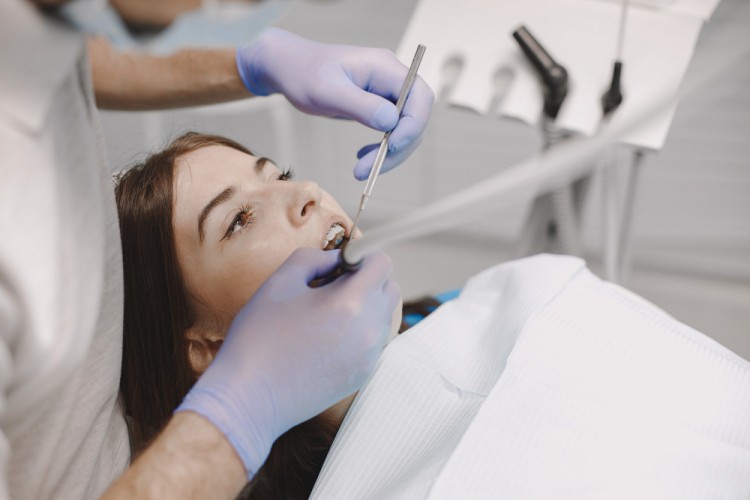
Also, understanding the different types of cracked teeth is helpful because not all cracks are the same. Some are harmless surface lines, while others can quickly become a cracked tooth emergency. Knowing the type can help you better judge the seriousness of your situation.
Here’s a clear and simple breakdown of the most common types:
| Type | Description & Symptoms | Urgency Level | Common Treatments |
| Craze Lines | Superficial thin lines on the enamel, usually no pain | Low (Non-emergency) | Usually monitoring or bonding |
| Fractured Cusp | A piece of the chewing surface breaks off, mild to moderate pain while chewing | Moderate | Dental crown (most common) |
| Cracked Tooth | A vertical crack that goes from the top toward the root, sharp pain on biting and temperature sensitivity | High (often emergency) | Crown or Root Canal + Crown |
| Split Tooth | The tooth is split into two separate parts, significant pain and difficulty chewing | High (Emergency) | Root Canal + Crown or Extraction |
| Vertical Root Fracture | Crack starts in the root and moves upward, usually causes deep pain and swelling | High (Emergency) | Often requires extraction |
Tip: The deeper the crack travels, the more likely it is to become a cracked tooth emergency. Early diagnosis is key to saving the tooth.
You also may find useful:
“My Tooth Got Knocked Out!” – Your Emergency Dental Guide in Toronto
What Happens If You Don’t Treat a Cracked Tooth?
Ignoring a cracked tooth can lead to serious problems over time. Even if it doesn’t hurt much now, the crack can get worse and allow bacteria to enter the inner layers of the tooth.
Possible risks include:
- Increasing pain and sensitivity
- Pulp infection (nerve infection)
- Abscess (painful swelling and pus)
- Spread of infection to surrounding teeth or jaw
- Eventually losing the tooth
The longer you wait, the more complicated and expensive the treatment becomes. That’s why it’s always better to address a cracked tooth early, whether it feels like an emergency or not.

How to Prevent Cracked Teeth
Preventing a cracked tooth is much easier than treating one. By making a few smart changes in your diet and habits, you can significantly reduce the risk.
Daily Habits to Protect Your Teeth:
- Avoid chewing on hard items such as ice cubes, hard candies, or popcorn kernels.
- Never use your teeth as tools to open bottles or tear packages.
- Wear a custom night guard if you grind or clench your teeth during sleep.
- Maintain excellent oral hygiene with regular brushing and flossing.
- Visit your dentist for check-ups every 6 months so small issues can be fixed before they become cracks.
Nutrition for Stronger Teeth:
- Consume plenty of calcium-rich foods (milk, yogurt, cheese, leafy greens, almonds).
- Get enough Vitamin D (sunlight, fatty fish, fortified dairy) to help your body absorb calcium effectively.
- Include phosphorus (found in eggs, fish, and nuts) and Vitamin K2 (cheese, egg yolks) which help strengthen enamel and dentin.
- Reduce sugary and acidic foods and drinks that weaken tooth structure over time.
Important Note: If you’re planning significant changes to your diet, it’s best to consult your doctor or a registered dietitian first.
Read more: How Often Should You Get a Dental Cleaning?
Take Action to Protect Your Smile
A cracked tooth can range from a minor inconvenience to a serious cracked tooth emergency, depending on the symptoms and type of fracture. The most important takeaway is this: when in doubt, get it checked. Early evaluation and treatment can save your tooth, prevent unnecessary pain, and avoid more complex procedures later.
If you’re dealing with a cracked tooth and would like professional advice, our experienced team at Lisgar Park Dental is here to help. We provide thorough examinations, accurate diagnosis, and effective treatment options tailored to your needs.
FAQ
1. Is a cracked tooth always a dental emergency?
No, not always. If you have severe pain, swelling, or sensitivity, it’s an emergency. A small crack with no pain can usually wait a few days for a dentist visit.
2. What should I do immediately if I crack my tooth?
Rinse your mouth with warm water, apply a cold compress to reduce swelling, avoid chewing on that side, and contact a dentist as soon as possible.
3. Can a cracked tooth heal on its own?
No, a cracked tooth cannot heal by itself. It needs professional treatment to prevent the crack from getting worse or causing infection.
4. How do I know if my cracked tooth needs a root canal?
If you have sharp pain when biting, lingering sensitivity to hot/cold, or pain that comes and goes, the crack may have reached the nerve and needs a root canal + crown.
5. What happens if I ignore a cracked tooth?
Ignoring it can lead to severe infection, abscess, more pain, or even tooth loss. The crack allows bacteria to enter the pulp.
Have you ever dealt with a cracked tooth emergency? Share your symptoms, experience or questions in the comments. We together can help everyone act sooner.
