



Ever noticed unusual sensitivity, pain, or discoloration around a filling? These could be early warnings that your restoration is failing. Knowing the dental fillings failure causes and the key signs to watch for is essential to prevent discomfort, infection, or more complex dental treatments. In this article, we explain why fillings fail and how to spot issues early so you can protect your teeth and maintain a healthy smile.
What Causes Dental Fillings to Fail?
Dental fillings are highly effective, but they are not permanent. Their lifespan depends on the material used, the quality of placement, and your oral habits.
In a long-term randomized trial, amalgam restorations showed a survival rate of 94.4%, while composite restorations reached 85.5% over up to 7 years (PubMed survival study). Annual failure rates ranged from 0.16–2.83% for amalgam and 0.94–9.43% for composite in the same study. Many fillings last 5–15 years or longer with proper care.
Below are the main evidence-based reasons fillings fail.
Secondary Caries (Recurrent Decay)
The leading cause of failure is secondary caries, new decay forming around or beneath an existing filling. This happens when bacteria enter through small marginal gaps.
One observational PMC assessment found secondary caries accounted for 95.65% of failed amalgam cases and 93.28% of failed composite cases.
Plaque buildup, worn margins, and incomplete sealing increase this risk. Early detection through check-ups and X-rays prevents deeper complications.
Wear, Fracture, and Mechanical Stress
Chewing forces gradually wear down restorations, especially in molars. Over time, fillings may chip, crack, or fracture under repeated stress. Amalgam tends to resist heavy loads better in large restorations, while composites can lose material under high pressure. Habits like biting hard foods or grinding teeth accelerate this process.
Poor Bonding and Marginal Gaps
A durable filling depends on a tight seal. If bonding is compromised (due to moisture contamination, technique issues, or polymerization shrinkage in composites), microscopic gaps form. These gaps allow bacteria and acids to infiltrate, leading to decay, sensitivity, or loosening of the filling over time.
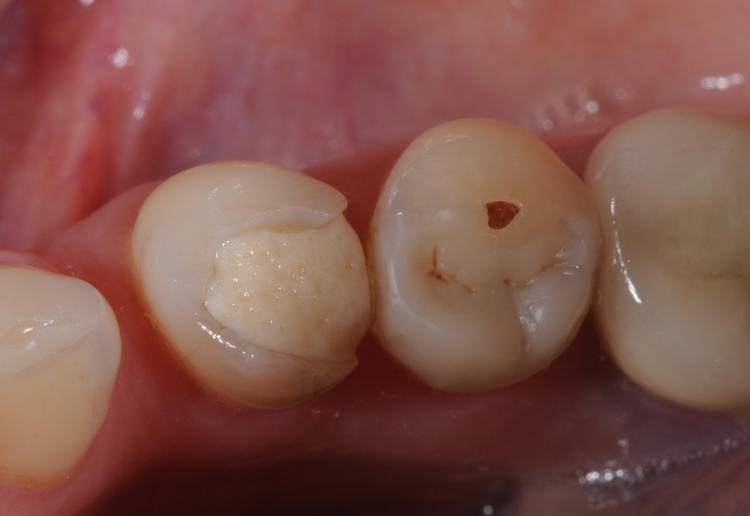
Other Contributing Factors (Bruxism, Aging, Lifestyle)
Bruxism significantly increases fracture and wear risk. Material aging and structural changes in teeth also reduce longevity.
Lifestyle factors are important. A pragmatic study showed heavy alcohol use can double early failure rates within 2 years (Frontiers in Medicine). Smoking has been associated with a higher failure risk in anterior composites, particularly in males. Certain MMP2 gene variants may also weaken bond integrity.
Poor hygiene, high-sugar diets, and irregular dental visits compound these risks.
Tip: Regular professional dental cleanings help prevent plaque buildup around your fillings, reducing the risk of secondary decay and extending their lifespan. Learn more: How Often Should You Get a Dental Cleaning?
Understanding the causes and taking steps to avoid them can greatly extend the life of your dental filling. In the next section, we will examine the main warning signs that indicate your filling may be failing.
6 Key Signs of a Failing Dental Filling
When a filling starts to fail, your body usually sends clear warning signals. These symptoms often appear because gaps, cracks, or recurrent decay allow bacteria, temperature changes, or pressure to reach the inner layers of the tooth. Below are the six most reliable signs to watch for:
1. Increased Sensitivity to Hot, Cold, or Sweet
One of the earliest warning signs is new or worsening sensitivity. You may feel a sharp, sudden pain when drinking hot coffee, eating ice cream, or consuming sugary foods. This typically happens when the filling no longer seals the tooth properly, exposing dentin or nerve endings to external stimuli.
Mild sensitivity immediately after placement can be normal and usually fades. However, if it appears weeks or months later, or becomes more intense, it often suggests marginal gaps or recurrent decay under or around the filling. Persistent sensitivity should always be evaluated.

2. Pain or Discomfort When Chewing or Biting
If you feel a sharp pinch, dull ache, or pressure pain when biting down, the filling may be cracked, poorly aligned with your bite, or failing structurally. Sometimes the pain occurs only under pressure, which makes it easy to ignore at first.
Ongoing biting pain can also indicate deeper irritation of the pulp (nerve tissue). When discomfort persists instead of improving, it usually means the restoration needs adjustment, replacement, or further examination to rule out internal damage.
Protect Your Smile with Expert Dental Fillings
At Lisgar Park Dental, we provide fillings that are precise, durable, and tailored to your needs. If your filling is showing signs of wear or damage, we can restore it effectively to maximize longevity and comfort.
Book your appointment today for a check-up or consultation!
3. Visible Cracks, Chips, or Rough Edges
A healthy filling should feel smooth and stable. If you notice cracks, chips, missing pieces, or rough surfaces (either visually or when running your tongue over it), the material is breaking down.
These defects weaken the restoration and create entry points for bacteria. Over time, chewing forces and grinding can worsen small fractures. Visible damage is not cosmetic; it is a structural warning sign that the filling may no longer be protecting the tooth properly.
4. Discoloration or Dark Lines Around the Filling
Dark lines, gray shadows, or brown/black staining around the edges of a filling often indicate leakage or recurrent decay. When the seal between the filling and tooth weakens, bacteria and pigments can penetrate the margins.
Discoloration around older restorations is a common sign that decay may be developing underneath. Even if there is no pain yet, visible staining at the margins should prompt a dental evaluation to prevent deeper progression.
Related topic: Understanding the Difference Between Deep Cleaning and Regular Cleaning

5. Food Getting Stuck or Floss Shredding
If food frequently gets trapped around the filling, or your floss tears or shreds in that area, the margins may no longer be smooth or properly sealed. Small gaps and rough edges create pockets where debris accumulates.
This not only feels uncomfortable but also increases plaque buildup and decay risk. Repeated food impaction around the same tooth is a practical, everyday clue that the restoration may need correction or replacement.
6. Loose or Shifting Feeling in the Filling
A filling should feel completely stable. If it feels loose, moves slightly, or gives a shifting sensation when chewing, the bond between the filling and tooth has likely failed. A loose restoration is urgent. Once the seal breaks, bacteria can quickly reach the inner tooth structure, increasing the risk of fracture or infection. In such urgent cases, contacting an emergency dental care provider is essential to prevent more extensive treatment or severe pain.
Tip: Some signs of a failing filling, like swelling or bleeding, can mimic gum disease symptoms; get a professional check to pinpoint the cause.
What Happens Next?
If you notice any of these signs, especially persistent pain, sensitivity, or visible damage, don’t wait. A dental exam, often including X-rays, helps determine whether the filling needs reshaping, replacement, or more advanced treatment such as a crown or root canal if the nerve is involved.
Acting early usually means simpler restorative treatments, lower cost, and a much better chance of saving the tooth.

Stay Alert to the Condition of Your Dental Fillings
Dental fillings are strong but not permanent. Most failures occur due to secondary caries (responsible for 93–95% of replacements in recent studies), material wear, marginal leakage, or factors like bruxism and aging. Warning signs such as sensitivity, biting pain, cracks, dark margins, food trapping, or a loose feeling should be addressed quickly. Early treatment usually means a simple fix instead of more complex procedures. Maintaining good oral hygiene and regular check-ups is key to extending the life of your fillings.
At Lisgar Park Dental in Toronto, we provide preventive care and precise restorative treatment. If you notice any of these symptoms or need a professional evaluation with digital X-rays, our team is ready to help. Book your appointment today and protect your smile with expert care.
FAQ
How long do dental fillings typically last?
Dental fillings usually last 5–15 years, depending on material (amalgam often longer than composite), size, oral hygiene, and habits like grinding. Annual failure rates for composite can reach up to 9.43%.
What are the main signs my filling is failing?
Key signs include sensitivity to hot/cold/sweet, pain when chewing, visible cracks/chips, dark lines or discoloration around the filling, food trapping, and a loose/shifting feel.
Why do dental fillings fail over time?
Main reasons are secondary caries (93–95% of cases), wear/fracture from chewing/grinding, poor bonding creating gaps, bruxism, aging of material, smoking/alcohol, and poor hygiene.
Is tooth pain or sensitivity normal after a filling?
Mild sensitivity right after placement is common and usually temporary, but persistent or worsening pain/sensitivity often signals failure, like cracks, gaps, or recurrent decay. See your dentist immediately.
What should I do if my filling falls out or cracks?
Contact your dentist right away to prevent infection or further decay. Avoid chewing on that side, keep the area clean, and do not delay; exposed teeth are at high risk.
Have you ever experienced issues with a filling?
Share your questions, concerns, or personal experiences in the comments below!
