

Keeping your teeth clean is one of the simplest ways to protect your smile. But many people get confused when dentists mention two types of cleaning: regular teeth cleaning and deep cleaning. Although they sound similar, they serve very different purposes. Understanding the difference helps you choose the right treatment for your oral health.
This guide explains the difference between deep cleaning and regular cleaning, so you’ll learn what each treatment involves, when you need them, how much they typically cost, and how often they should be done. By the end, you’ll know exactly how to support a healthier smile at home and at the dental clinic.
The Difference Between Deep Cleaning and Regular Cleaning: a Quick Comparison
To give you a simple overview, here’s a fast comparison table.
| Feature | Regular Cleaning | Deep Cleaning |
| Purpose | Maintain a healthy mouth | Treat gum disease and remove bacteria below the gumline |
| Area Cleaned | Teeth surfaces, above the gums | Teeth roots, pockets under the gums |
| Pain Level | Very minimal | Mild discomfort (numbing usually provided) |
| Frequency | Every 6 months | As recommended |
| Best For | Healthy gums | Gum disease, bleeding gums, deep pockets |
All About Regular Teeth Cleaning
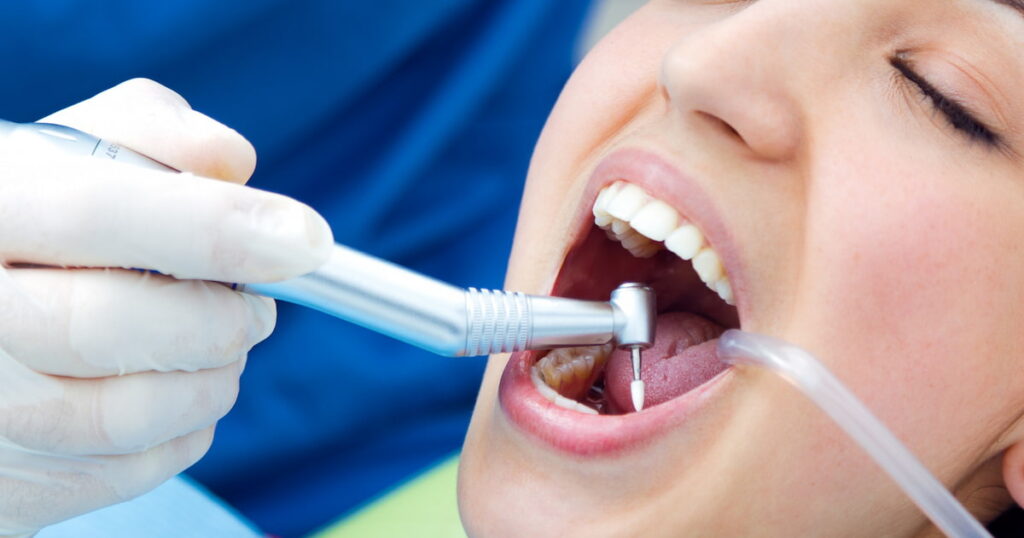
A regular cleaning is the type of cleaning most people receive during routine dental checkups. Think of it as a professional polish that removes plaque, tartar, and stains from the surfaces of your teeth.
During a regular cleaning, your dental hygienist uses special tools to gently remove buildup you can’t reach with brushing or flossing. They also polish your teeth to smooth the enamel, making it harder for plaque to stick. This kind of cleaning is essential for prevention. It helps stop cavities, bad breath, and gum irritation before they turn into bigger issues.
For children, regular cleanings play an extra important role; they build lifelong habits and keep baby and adult teeth healthy as they grow.
What Is Deep Cleaning?
Deep cleaning is a more advanced treatment used when gums are already showing signs of disease. Dentists may recommend it if you have:
- Red, swollen, or bleeding gums
- Persistent bad breath
- Gum pockets deeper than normal
- Bone loss around the teeth
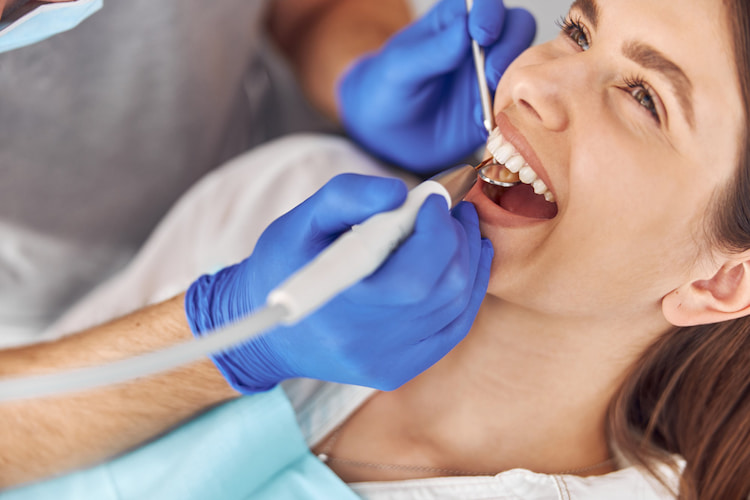
This treatment is technically called scaling and root planing. It focuses on cleaning harmful bacteria that hide below the gumline, where regular brushing and regular dental cleanings can’t reach.
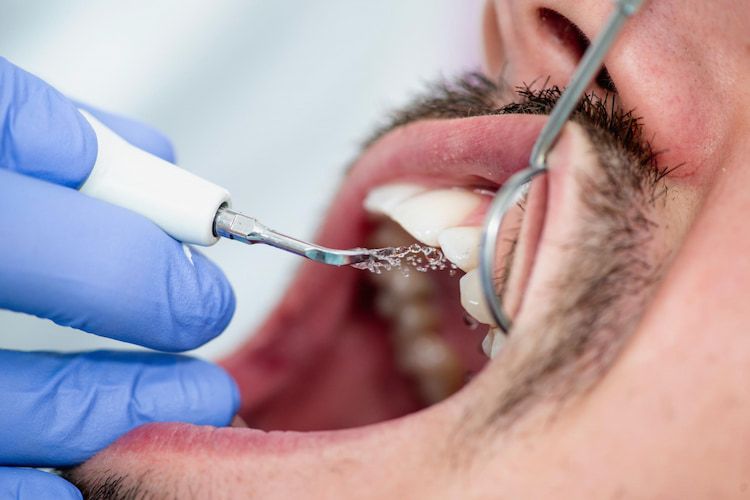
Scaling removes plaque and tartar from deep pockets around your teeth. Root planing smooths the root surface so the gum can heal and reattach. With this treatment, dentists aim to stop the disease from progressing and protect your teeth from loosening or falling out.
What Is the Difference Between Deep Cleaning and Regular Cleaning?
Although both treatments involve cleaning your teeth, their goals, procedures, costs, and recommended frequency differ significantly. Simply put, regular cleanings keep a healthy mouth healthy. Deep cleanings treat gums that are already unhealthy.
Purpose of Regular & Deep Cleaning
The core difference starts with why each cleaning is done. Regular cleaning prevents dental issues and keeps your teeth healthy. On the other hand, deep cleaning treats active gum disease by targeting bacteria below the gumline. Therefore, if your gums bleed when brushing or if your dentist detects deep gum pockets, deep cleaning is usually the right treatment.
Procedure of Deep and Regular Cleaning
The procedures vary based on how deep the cleaning needs to go. In regular cleaning, your hygienist removes plaque and tartar from the tooth surface, polishes the enamel, and may apply fluoride if needed. The process is quick, usually 30 to 45 minutes, and comfortable.
The deep cleaning procedure, however, is done in sections of your mouth (such as the left vs. the right). Also, local anesthesia is often used to numb the area. The hygienist or dentist cleans under the gumline and smooths the tooth roots to help the gums heal. Moreover, sessions take longer and may require two appointments, depending on the severity of gum disease.
“After the treatment, pain and tooth sensitivity are common. Pain may last one to two days, while sensitivity can last up to a week.”
Read more on: Healthline
Cost & Insurance Coverage of Each Treatment
Although many people think deep cleaning and regular cleaning come with very different price tags, their costs are often more similar than expected. In most cases, the price depends more on the clinic’s location, the dentist’s experience, and the condition of your oral health rather than the type of cleaning itself.
Both deep cleaning and regular cleaning aim to keep your teeth and gums healthy, and many dental clinics offer competitive pricing to make both treatments accessible. As a result, the cost difference between the two is usually minimal or even nonexistent.
Private dental insurance typically covers routine cleanings at 80-100% (often 2x/year) and deep cleaning at 50-80%, depending on the plan. The Canadian Dental Care Plan (CDCP) also covers both routine dental cleaning and deep cleaning (periodontal scaling/root planing), often with preauthorization and possible co-pays for deeper procedures.
Frequency of Regular vs Deep Cleaning
The recommended frequency also differs. Regular cleaning is needed every 6 months for most people. On the other hand, deep cleaning is done once as a treatment, then followed by 3-4 month maintenance visits to prevent gum disease from returning.
Need a Regular or Deep Cleaning? Contact Us Today!
Protect your smile with expert care. Book your cleaning at Lisgar Park Dental today and let our gentle hygienists guide you toward healthier gums.
Which Cleaning Do You Need for a Healthy Smile?
Now that you know the difference between deep cleaning and regular cleaning, and how each treatment works, you can better choose what you need. In general, selecting the right cleaning depends on the health of your gums, not just your teeth.
You likely need regular cleaning if:
- Your gums look pink and healthy
- You don’t experience frequent bleeding
- Your dentist says your gum pockets are within normal range
However, you may need deep cleaning if:
- Your gums bleed regularly
- You feel pain when brushing or flossing
- The dentist measures gum pockets deeper than 4 mm
- There is visible tartar under your gumline
If you’re unsure, a quick dental exam can tell you exactly what your mouth needs to stay healthy.
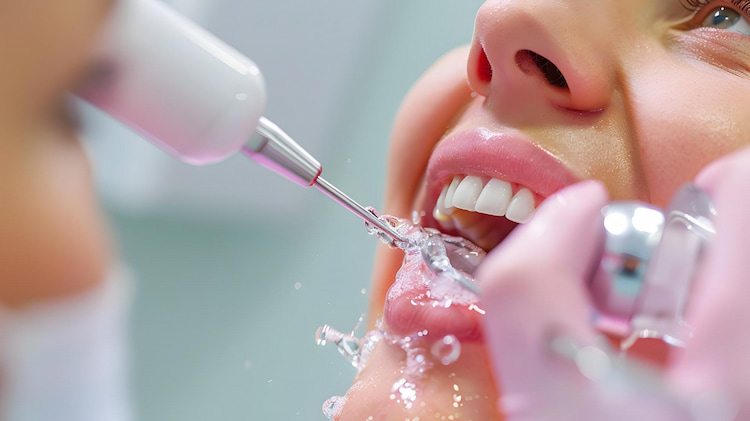
Healthy Teeth Start with Cleaning & Polishing
Regular cleanings help keep a healthy mouth healthy by removing everyday plaque and preventing future problems. Deep cleanings, on the other hand, are essential when gum disease has already started and bacteria have spread below the gumline. Knowing the difference helps you make confident decisions for yourself or your child, avoid dental emergencies, and keep your smile strong for years to come.
At Lisgar Park Dental, we provide thorough, gentle cleanings, regular and deep, that are tailored to your specific needs. This helps you avoid discomfort, gum disease, and future dental emergencies.
If it’s been more than six months since your last cleaning, or if you’re concerned about bleeding gums, now is the perfect time to take action. Book your appointment today and let your smile shine brighter than ever.
FAQ
-
How do I know if I really need a deep cleaning?
Your dentist will measure your gum pockets during an exam. If they’re deeper than 4 mm or if your gums bleed frequently, deep cleaning is usually needed to prevent gum disease from progressing.
-
Can children need deep cleaning too?
Yes, although it’s less common. Kids with severe plaque buildup, poor oral hygiene, or early signs of gum disease may benefit from deep cleaning. Early treatment prevents long-term damage.
-
Will deep cleaning make my teeth loose?
No. In fact, deep cleaning helps prevent teeth from becoming loose by removing bacteria that weaken the supporting bone and gums.
-
Is deep cleaning painful?
Local anesthesia is used, so you shouldn’t feel pain during the procedure. You may experience mild soreness afterward, similar to a deep workout at the gym, uncomfortable but temporary.
-
How can I avoid needing a deep cleaning in the future?
Brush twice daily, floss once a day, use an antibacterial mouthwash, and keep your regular 6-month dental visits. These steps prevent plaque from hardening into tartar beneath the gums.
-
How long does it take for gums to heal after deep cleaning?
Most people see improvement within a week, but full healing can take several weeks, depending on the severity of gum disease.
Have you ever had a deep cleaning, or are you unsure which cleaning you need? Share your thoughts or questions in the comments; we read them all!
