



Healthy teeth often get most of the attention, but gum health is just as important. Your gums are the foundation that holds your teeth in place and protects them from harmful bacteria.
So, why gum health is important goes beyond the mouth. Healthy gums support your overall well-being and help you keep your natural teeth for longer, improving everyday functions like chewing and speaking. With simple preventive care like professional dental hygiene visits, many gum problems can be avoided before they start.
In this article, you’ll discover what makes gum health so crucial, what can go wrong when it’s ignored, and how you can protect it for the long term.
What Makes Healthy Gums So Important?
Healthy gums keep your teeth firmly in place and help you chew and speak normally. Without strong gums, even healthy teeth can become loose over time.
Your gums also protect your mouth from harmful bacteria. When they are healthy, they form a tight seal around your teeth and help stop bacteria from reaching deeper areas or entering your bloodstream.
Healthy gums also make everyday life easier. They help you keep your natural teeth longer, eat without discomfort, and feel confident when you smile. People with good gum health usually face fewer dental problems and need less complex treatments in the future.

How Poor Gum Health Can Affect Your Health and Daily Life
When gum health declines, the effects go beyond mild discomfort. It can lead to chronic inflammation and gum recession, where the gums pull away from the teeth and expose sensitive roots, increasing the risk of decay and sensitivity which may need treatments like dental filling.
If left untreated, the condition may progress to loose teeth and eventually tooth loss. This affects chewing ability and makes everyday eating more difficult. Persistent bad breath is also common and can impact social confidence. In many cases, these issues can be slowed or prevented with proper oral care, including regular brushing and routine teeth cleaning.
Poor gum health can also affect your self-esteem, especially when it leads to visible changes like receding gums or missing teeth. Many people begin to feel less confident when smiling or speaking.
In more advanced cases, treatment becomes more complex and costly, often requiring multiple dental procedures. In the next sections, we will look at the main gum diseases and their indirect effects on overall health.
Read more: How Often Should You Get a Dental Cleaning?

Understanding Gum Disease: Gingivitis vs. Periodontitis
Gum disease usually develops in two main stages: gingivitis and periodontitis. The table below shows a clear comparison between them to help you understand how they differ and why early detection matters.
| Aspect | Gingivitis | Periodontitis |
| Definition | Early, mild inflammation of the gums | Advanced stage affecting gums, bone, and supporting tissues |
| Cause | Plaque buildup along the gumline | Untreated gingivitis that spreads deeper |
| Common Symptoms | Red, swollen, or bleeding gums | Gum recession, loose teeth, bad breath, gum pockets |
| Reversibility | Reversible with proper oral care | Not fully reversible, but can be managed |
| Impact | Affects only the gums | Can lead to bone loss and tooth loss |
Gingivitis is the early and milder form of gum disease and usually improves quickly with better brushing, flossing, and professional cleaning. Periodontitis, on the other hand, develops when gingivitis is ignored and begins to damage deeper structures that support the teeth.
Note: Early awareness and routine dental care make a major difference in preventing progression and maintaining long-term gum health.
Related Topic: Understanding The Difference Between Deep Cleaning and Regular Cleaning
The Oral-Systemic Connection: How Gum Disease Affects the Rest of Your Body
Gum disease may influence more than just your mouth. Chronic inflammation and bacteria associated with unhealthy gums can enter the bloodstream and potentially affect other parts of the body. While more studies are still needed, many scientific organizations now recognize this oral-systemic link.
1. Heart Disease and Stroke
Poor gum health has been associated with an increased risk of heart disease and stroke. Chronic gum inflammation may contribute to systemic inflammation that affects blood vessels and the heart. American Heart Association (AHA) studies suggest this connection is particularly relevant for people with moderate to severe gum disease.
2. Diabetes (A Two-Way Relationship)
There is a strong bidirectional link between gum disease and diabetes. People with diabetes are more likely to develop gum problems, while untreated gum disease can make it harder to control blood sugar levels. Managing one often helps improve the other. (PMC study)
3. Respiratory Infections
Bacteria from infected gums can be aspirated into the lungs, potentially contributing to respiratory infections such as pneumonia, especially in older adults or those with weakened immune systems.
4. Alzheimer’s Disease and Cognitive Decline
Some research published in Science Advanced magazine has found associations between long-term periodontitis and higher risks of cognitive decline and Alzheimer’s disease. Certain bacteria linked to gum disease have been detected in brain tissue, though scientists continue to study the exact relationship.
5. Pregnancy Complications and Other Emerging Health Risks
Gum disease during pregnancy has been linked to higher risks of preterm birth and low birth weight (PMC Meta-analysis). Additionally, ongoing research is exploring connections to other conditions, including certain cancers and overall multimorbidity.

Protect Your Gum Health Before It Gets Worse
Gum problems often start quietly, but they can progress into inflammation, infection, and even tooth loss if left untreated. Early care can make a significant difference in protecting your long-term oral health. At Lisgar Park Dental, we offer comprehensive exams and professional cleanings to help identify gum issues early and keep your smile healthy.
Contact us today to book your appointment.
Signs Your Gums May Be Unhealthy
Recognizing the early warning signs of poor gum health can help you take action before problems worsen. Here are the most common symptoms to watch for:
- Bleeding gums: If your gums bleed when you brush or floss, it’s often one of the first signs that something isn’t right. This is not normal and should not be ignored.
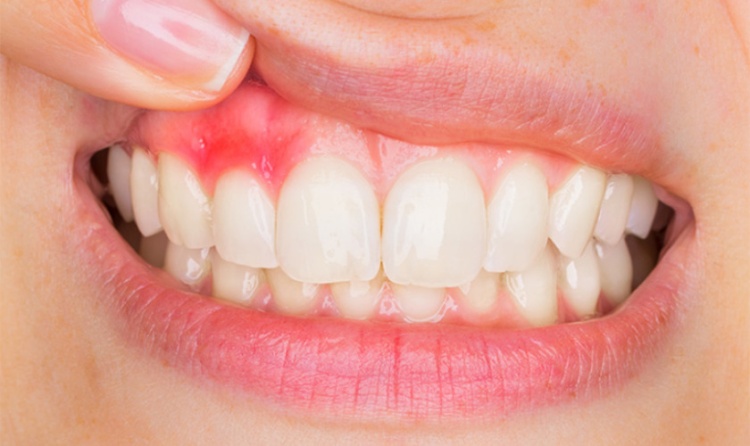
- Red or swollen gums: Healthy gums are firm and pale pink. Red, puffy, or tender gums can indicate inflammation and irritation.
- Persistent bad breath: Ongoing bad breath that doesn’t improve with brushing or mouthwash may be caused by bacteria building up under the gumline.
- Gum recession: When your gums start pulling away from your teeth, making them look longer or exposing the roots, it’s a sign of advancing gum issues.
- Loose teeth: Teeth that feel loose or shift slightly can indicate that the supporting structures are weakening.
- Pain or discomfort while chewing: Discomfort, sensitivity, or pain when eating can point to more serious gum problems affecting the roots and bone.
Want to learn more? Read our complete guide to gum disease symptoms to discover the early warning signs, when they become serious, and what steps you should take next.
When Should You See a Dentist or Periodontist?
You should schedule a dental visit if any of these symptoms last more than a couple of weeks, especially if you notice frequent bleeding while brushing or flossing, visible gum recession, or loose teeth. Don’t wait until pain appears. Early intervention is much more effective.
Depending on the severity, your dentist may recommend professional cleaning or more advanced care such as periodontal treatment, and in more serious cases, procedures like root canal therapy, tooth extraction and crowns may be needed to restore oral health.
Note: A general dentist can diagnose and treat mild gum problems. A periodontist is a specialist who focuses specifically on the prevention, diagnosis, and treatment of gum disease and related conditions. Your dentist may refer you to a periodontist if your case is moderate to advanced.
You may need: Severe Tooth Pain? When to Visit an Emergency Dentist in Toronto

How to Keep Your Gums Healthy Every Day
Taking care of your gums doesn’t need to be complicated. A few simple daily habits can go a long way in keeping them healthy and preventing problems before they start:
- Brush your teeth properly twice a day: Use a soft toothbrush and fluoride toothpaste, and make sure you gently clean along the gumline for about two minutes each time. It’s less about force and more about consistency.
- Don’t skip flossing: Flossing once a day helps remove plaque and food stuck between your teeth; places your toothbrush simply can’t reach.
- Consider a mouthwash if needed: An antimicrobial mouthwash can help reduce bacteria, but it’s best to choose one that’s suitable for your needs or recommended by your dentist.
- Avoid smoking and tobacco products: Tobacco is one of the biggest risk factors for gum disease. Quitting not only protects your gums but also helps them heal better over time.
- Cut back on sugary foods and drinks: Less sugar means less fuel for bacteria that cause plaque and inflammation.
- Drink enough water throughout the day: Staying hydrated helps wash away leftover food particles and keeps your mouth from drying out.
- Keep up with dental checkups: Regular visits to your dentist (usually every six months) help catch early signs of gum problems before they become serious.
Related Guide: When to Worry About Tooth Sensitivity and What to Do

Conclusion: Protect Your Gums, Protect Your Health
Taking care of your gum health is one of the smartest decisions you can make for both your smile and your overall well-being. From preventing tooth loss and maintaining confident smiles to supporting your body’s general health, healthy gums truly matter more than most people realize. By recognizing early signs, practicing simple daily habits, and seeking timely care, you can protect your natural teeth and enjoy a better quality of life for years to come.
At Lisgar Park Dental, we believe prevention is the best approach. Our team is here to help you maintain strong, healthy gums with personalized care and expert guidance. Whether you need a routine check-up or more advanced gum treatment, we’re committed to supporting your oral and overall health. Book your appointment today.
FAQ
1. Can gum disease be reversed?
Yes, early-stage gum disease (gingivitis) can usually be fully reversed with improved oral hygiene and professional care. Advanced periodontitis can be managed but not completely reversed.
2. Can unhealthy gums affect your heart?
Yes, research shows that poor gum health is linked to a higher risk of heart disease and stroke through chronic inflammation.
3. Is bleeding gums normal?
No, bleeding gums when brushing or flossing is not normal. It is usually an early sign of gum disease that needs attention.
4. Can gum disease cause tooth loss?
Yes, untreated gum disease is a leading cause of tooth loss in adults as it destroys the supporting bone and tissues.
5. How often should I see a dentist for gum health?
Most people should visit a dentist every six months for check-ups and cleanings. High-risk individuals may need more frequent visits.
6. Can gum disease affect diabetes?
Yes, there is a two-way relationship. Gum disease can make diabetes harder to control, and diabetes increases the risk of gum problems.
Have questions about gum health or experienced any of the symptoms discussed above? Share your thoughts in the comments below and join the conversation.
