


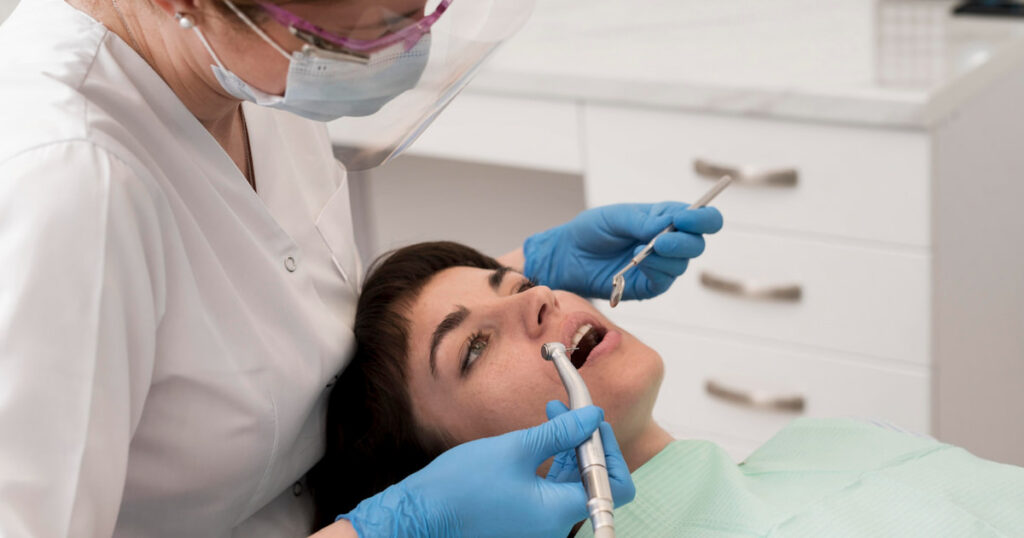
If you’re asking, “How often should I get a dental cleaning?”, most people benefit from a cleaning every six months. Regular cleanings help remove plaque that brushing alone can’t eliminate, prevent gum disease, protect against tooth decay, and maintain overall oral health. Depending on your lifestyle, medical history, and current oral health, your dentist may recommend more or fewer visits.
This guide explains the factors that influence your cleaning schedule and how to determine when it’s time to see a professional dentist or dental hygienist.
Why Some Dentists Recommend Cleanings Every Three Months
You may have heard that some dentists suggest a dental cleaning every 3 months, not every 6. This isn’t an upsell, it’s a prevention strategy.
A three-month schedule is usually recommended when the gums or teeth need closer monitoring. For example, if you are dealing with gum disease, a three-month interval prevents bacteria from returning and damaging the bone around your teeth. People with periodontal disease develop harmful bacteria faster than others, and waiting six months allows infection to build up again.
Dentists may also recommend three-month cleanings for smokers, people with diabetes, orthodontic patients with braces, and pregnant women who experience hormonal changes that make gums more sensitive. Since plaque rebuilds quickly, more frequent cleanings help protect your gums and keep the disease from progressing.
Suggested article: All Gum Disease Symptoms You Should Keep an Eye on

Factors That Affect Your Dental Cleaning Schedule
The ideal dental cleaning timeline isn’t the same for everyone. Here are the main factors dentists consider when planning the best routine for you.
1. Your Oral Health Condition
If your gums bleed easily, if you have plaque buildup, or if you’ve had tooth decay in the past, you may need more frequent care. People with periodontal disease almost always require follow-ups every three to four months.
2. Lifestyle Choices
Smoking, high-sugar diets, and drinking alcohol regularly all increase plaque buildup. Even stress can impact your teeth by causing grinding or clenching. These factors may lead your dentist to recommend shorter intervals between cleanings.
3. Medical Conditions
Conditions like diabetes, dry mouth, or autoimmune disorders can make your mouth more vulnerable to infection. Dry mouth alone increases your risk of cavities, so more frequent cleanings can help balance these risks.
4. Age
Children and seniors may need more routine check-ups. Kids lose baby teeth and grow permanent ones, making monitoring important. Seniors may face gum recession and weakened enamel.
Contact Us for a Personalized Dental Cleaning Schedule!
Book an appointment with Lisgar Park Dental today. We’ll assess your gums, plaque levels, and overall oral health to create a plan that works for you, then perform professional teeth cleanings that protect your smile.
Signs You’re Overdue for a Dental Cleaning
Many people don’t realize they need a cleaning until symptoms appear. Here are signs you shouldn’t ignore:
- Bleeding gums: One of the earliest signs of gum disease.
- Bad breath that doesn’t go away: Plaque and tartar trap bacteria that cause odor.
- Yellow or dark stains on teeth: A sign of tartar buildup that a toothbrush cannot remove.
- Sensitive teeth: Plaque buildup can irritate the gums, exposing tooth roots.
- Puffy or red gums: Often an early stage of gingivitis.
- Food getting stuck more often: Could signal gum recession or tartar buildup between teeth.
If you notice any of these symptoms, your body is telling you it needs attention from a professional dentist or dental hygienist.
Did You Know?
According to an article on PubMed Central, low individual or household income is strongly linked to poorer oral health. Such people have higher rates of tooth decay, tooth loss, and periodontal (gum) disease. Because of limited finances, many low-income individuals delay or skip professional cleanings and check-ups.
But here’s some good news:
Many dental insurance plans cover regular cleanings and preventive care. For many patients, this means routine cleanings can be partially or fully covered, lowering out-of-pocket costs.
No dental insurance? Check out this article: How to Get Affordable Dental Care When You Have No Dental Insurance
What to Expect During a Professional Dental Cleaning
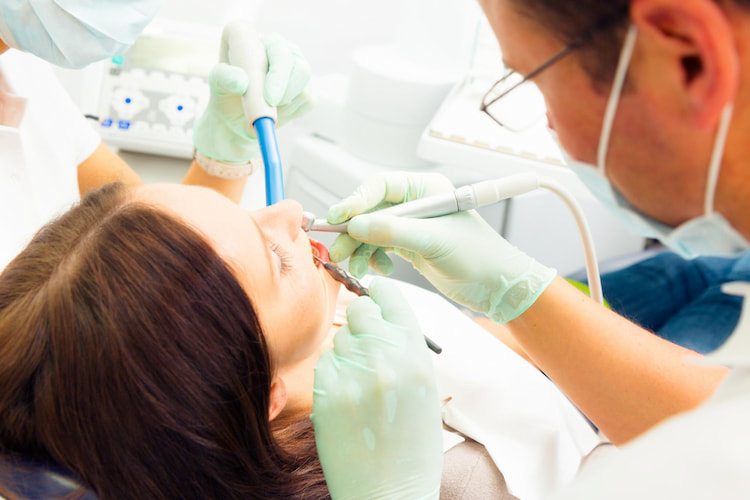
A professional teeth cleaning is more thorough than anything you can do at home. First, a dental hygienist examines your teeth and gums for signs of gum disease, periodontal pockets, or tooth decay. Then, they use special tools to remove plaque and tartar, a process called scaling. Unlike brushing, scaling removes hardened tartar that clings to the enamel.
Next, your teeth are polished to smooth the surfaces and prevent plaque from sticking easily. Polishing also removes minor stains. After that, a fluoride treatment may be applied to strengthen the enamel and help prevent future decay.
Patients often mention that their mouth feels lighter, fresher, and cleaner after a professional cleaning because trapped bacteria and buildup are completely removed.
Worth reading: The Difference Between Deep Cleaning and Regular Cleaning
Stay on Track With Your Oral Health
Consistent dental cleanings are the foundation of a healthy mouth. Some need a cleaning every six months and some need it every three months. Either way, the key is sticking to a schedule that matches your oral health needs. At Lisgar Park Dental, we help you understand exactly what your teeth and gums require based on your lifestyle, habits, medical background, and current dental condition.
You may also need more dental treatments, such as dental fillings or root canal therapy. Our team will check your dental condition and recommend the best dental care and teeth cleaning frequency. Schedule your teeth cleaning at Lisgar Park Dental today and achieve a healthier and fresher smile!
FAQ
-
Is a deep cleaning the same as a regular dental cleaning?
No. A regular cleaning removes plaque and tartar above the gumline. A deep cleaning, also called scaling and root planing, cleans below the gums and is used to treat periodontal disease.
-
Can I wait longer than six months if my teeth look fine?
Not recommended. Plaque hardens into tartar within 24–72 hours, and you cannot remove it at home. Even if your teeth look clean, hidden buildup may be affecting your gums and bone.
-
Does dental insurance cover more frequent cleanings?
Some dental insurance plans cover additional cleanings for patients diagnosed with gum disease. It’s worth checking your coverage, especially if your dentist recommends three-month intervals.
-
What happens if I skip a dental cleaning for a year or more?
Skipping cleanings increases your risk of tooth decay, gum inflammation, and periodontal disease. Once tartar forms, it accelerates inflammation and bone loss.
-
Are dental cleanings painful?
Most cleanings are not painful. You might feel mild pressure or scraping, but it shouldn’t hurt. If you have sensitive gums, your dental hygienist can adjust the tools or apply a numbing gel.
Before you go… what’s one question you still have about dental cleanings? Drop your question in the comments; we’d love to help you understand your oral health better!
