
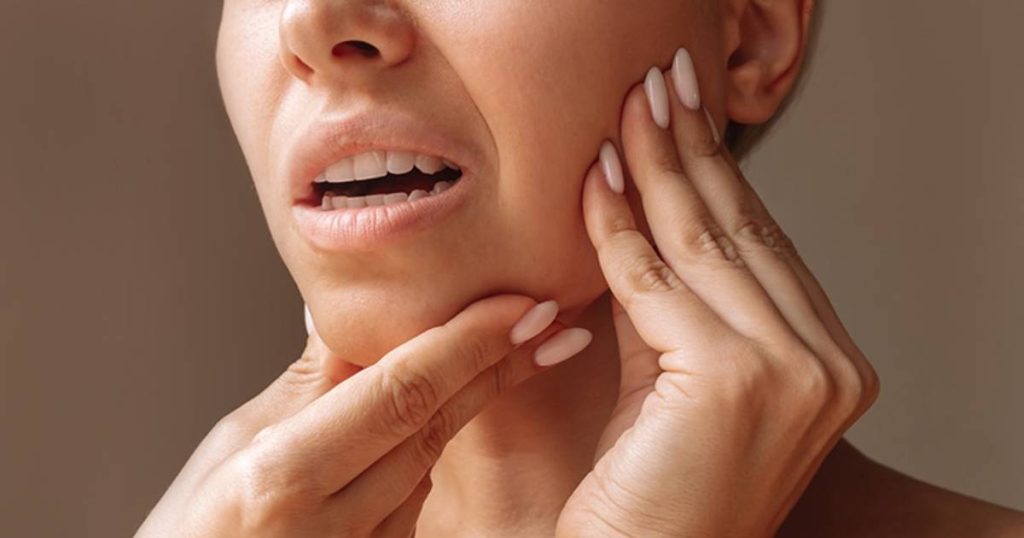
Jaw pain is often blamed on stress or teeth grinding, but your bite may be the real cause. Jaw pain from a bad bite can occur when your upper and lower teeth do not meet properly, placing extra pressure on your teeth, jaw muscles, and the temporomandibular joints (TMJs). Over time, this imbalance can lead to pain while chewing, headaches, worn teeth, and other symptoms that are easy to overlook.
During a dental examination, dentists evaluate bite alignment, tooth wear, jaw movement, and overall oral health to determine whether symptoms are related to a bite problem or another condition. Identifying the source of the discomfort early can help prevent more complex dental issues. In this guide, we explain how to recognize signs that your bite may be contributing to jaw pain, what causes bite-related discomfort, how dentists diagnose the problem, and the treatment options available.
Can a Bad Bite Cause Jaw Pain?
Yes. Jaw pain from a bad bite is a common problem that develops when the teeth do not distribute biting forces evenly. Dentists refer to this as malocclusion, which includes conditions such as an overbite, underbite, crossbite, open bite, or crowded teeth.
A healthy bite allows the teeth and jaw joints to work together with balanced pressure. When the bite is uneven, some teeth absorb more force than others, forcing the jaw muscles to compensate. This repeated strain can irritate the temporomandibular joint (TMJ), fatigue the surrounding muscles, and make everyday activities like chewing uncomfortable.
An uneven bite does not always cause symptoms immediately. Some people develop problems gradually over several years as their teeth wear down or after losing a tooth, while others notice discomfort after dental trauma, a worn filling, or an old restoration that no longer fits properly.
According to the NHS, jaw pain can have multiple causes, including temporomandibular disorders (TMD), arthritis, injuries, and dental infections. This is why a proper assessment is important before deciding on the most suitable treatment.
Signs Your Jaw Pain May Be Caused by a Bad Bite
The symptoms of jaw pain from a bad bite are not limited to discomfort around the jaw joint. Because your teeth, muscles, and joints work together every time you chew or speak, a bite problem can affect several areas of your mouth and face. If several of the following signs occur together, it is worth having your bite evaluated.
Pain When Chewing or Biting
Pain that becomes worse while chewing is one of the most common bad bite symptoms. If one side of your mouth contacts before the other, the jaw shifts slightly every time you close your teeth. Repeating this movement hundreds of times each day places extra strain on the jaw muscles and TMJs.
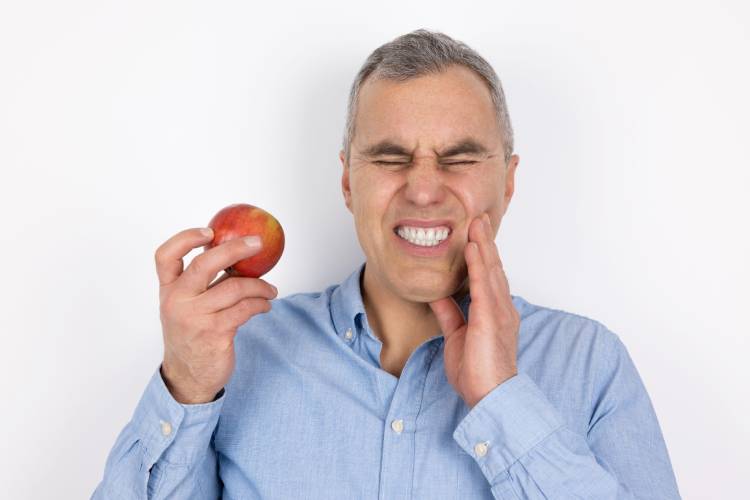
You may notice that:
- Chewing tougher foods causes discomfort.
- One side of your jaw feels tired after meals.
- Biting into firm foods causes pressure around the jaw joint.
- Your bite feels different at certain times of the day.
Persistent jaw pain when chewing should not be ignored because it may also indicate cracked teeth, an infection requiring a root canal, or another dental condition that needs treatment.
Jaw Clicking, Popping, or Locking
Clicking or popping sounds do not always mean there is a serious problem, but when they occur with pain or limited movement, they deserve attention.
An uneven bite can change how the TMJ moves during opening and closing. Over time, this may produce:
- jaw clicking
- jaw popping
- difficulty opening the mouth fully
- occasional jaw locking
- muscle tenderness around the joint
Some patients experience these sounds for years before discomfort develops, while others notice pain shortly after the clicking begins.
Frequent Headaches or Facial Pain
Many people are surprised to learn that bite problems can contribute to headaches. When the jaw muscles work harder to compensate for poor occlusion, they can become fatigued and inflamed. This muscle tension may spread into the temples, cheeks, and neck, creating headaches that are often mistaken for tension headaches or migraines.

Facial pain that occurs together with jaw soreness, chewing discomfort, or clicking is another clue that your bite may need evaluation.
Uneven or Excessive Tooth Wear
Your teeth provide valuable clues about how your bite functions.
During routine examinations, we often identify bite problems before patients notice symptoms because certain teeth show excessive wear. Common findings include:
- flattened chewing surfaces
- chipped enamel
- small cracks
- teeth that appear shorter than before
- worn edges on front teeth
These changes usually develop because one area of the bite absorbs more force than it should.
In some situations, worn crowns or older restorations can also alter the way your teeth meet, creating uneven bite pressure that contributes to jaw discomfort.
Tooth Sensitivity Without Decay
Sensitive teeth do not always mean you have a cavity. When excessive biting forces repeatedly stress one or more teeth, the supporting tissues around the roots can become irritated. Patients sometimes notice discomfort when drinking cold beverages or biting into firm foods even though no decay is present.
A thorough examination allows us to determine whether the sensitivity is related to bite pressure, gum recession, tooth fractures, or another condition. If decay or structural damage is found, restorative treatment may be recommended before the problem becomes more serious.
Ear Pain, Neck Pain, or Jaw Stiffness
Because the TMJ sits close to the ears and shares muscles with the neck, discomfort often extends beyond the jaw itself.
Patients with bite-related problems sometimes report:
- ear pain without an ear infection
- neck pain
- stiffness after waking up
- soreness around the temples
- tired jaw muscles after talking for long periods
Read more: “How Often Should You Get a Dental Cleaning?”
Treatment Options for Jaw Pain From a Bad Bite
The right treatment depends on why your bite has changed. Before recommending any procedure, we examine your teeth, jaw joints, muscles, and existing dental work to determine the source of the problem. In some cases, correcting the bite relieves symptoms. In others, treatment focuses on protecting the teeth while reducing stress on the jaw.
Orthodontic Treatment to Improve Bite Alignment
When misaligned teeth are the main cause, orthodontic treatment can improve how the upper and lower teeth fit together. Correcting an overbite, underbite, crossbite, or crowded teeth helps distribute biting forces more evenly and may reduce strain on the jaw muscles and temporomandibular joints.
Modern orthodontic treatment is planned using detailed records of your teeth and bite rather than appearance alone. Improving bite function is just as important as straightening teeth.
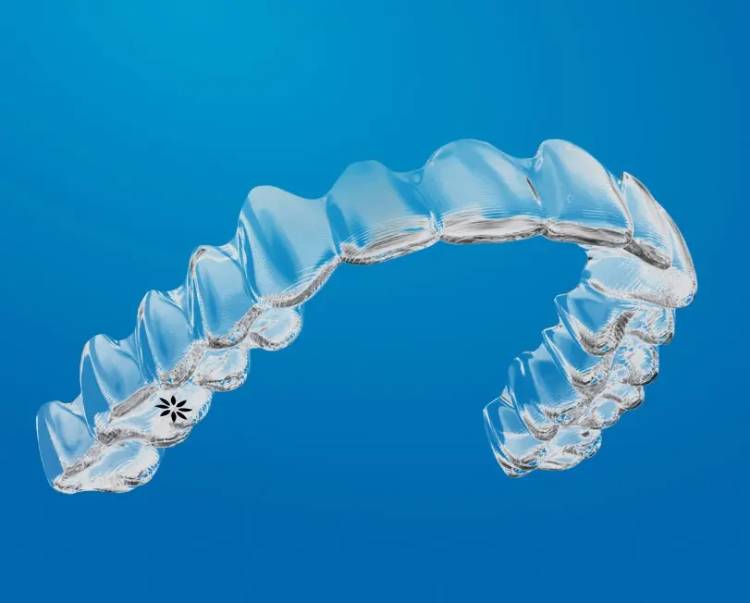
Invisalign for Mild to Moderate Bite Problems
Invisalign can successfully correct many mild to moderate bite problems, including some cases of crowding, spacing, deep bites, and crossbites. As the bite becomes more balanced, some patients notice less pressure when chewing and improved jaw comfort.
However, Invisalign is not a treatment for every type of temporomandibular disorder. If your symptoms are mainly caused by joint disease, arthritis, or muscle disorders, additional treatment may be needed.
Read more: “When to Worry About Tooth Sensitivity and What to Do”
Bite Adjustment (When Appropriate)
A bite adjustment, also called occlusal adjustment, involves carefully reshaping very small areas of selected teeth so they contact more evenly.
This treatment is only recommended when a dentist identifies specific high-pressure contact points. It is not appropriate for every patient, and unnecessary adjustment can permanently alter healthy teeth.
If a filling, crown, or recent dental treatment has changed the way your teeth meet, a minor adjustment may relieve discomfort without further treatment.
Restoring Damaged or Missing Teeth
Missing teeth or severely worn teeth change the way bite forces are distributed across the mouth. Over time, neighboring teeth may shift, increasing pressure on the jaw.
Depending on your needs, treatment may include:
- replacing missing teeth with dental implants
- replacing damaged restorations
- new crowns to restore proper function
- dental bonding for selected cases involving minor damage
Rebuilding damaged teeth is often an important part of restoring a stable bite.
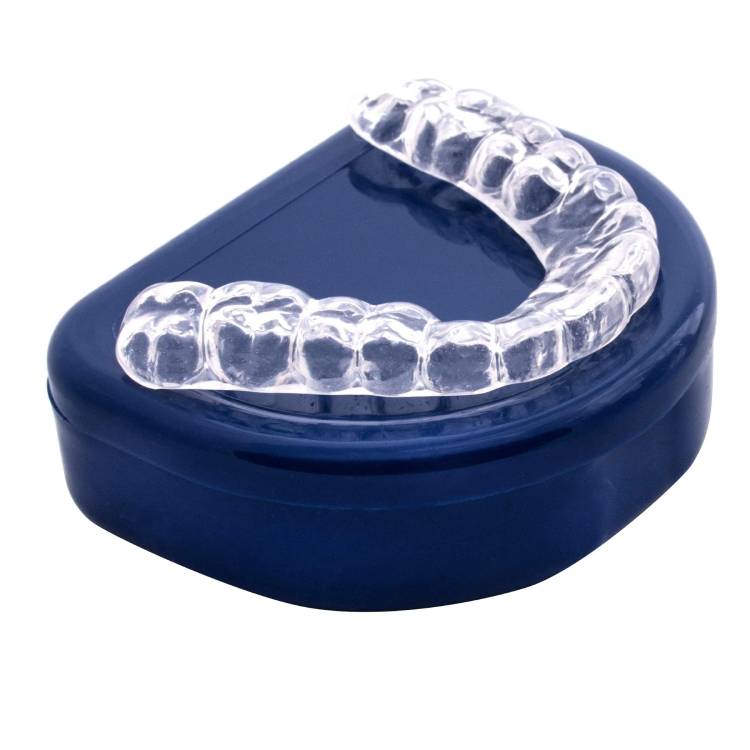
Night Guards for Teeth Grinding
Many people clench or grind their teeth while sleeping without realizing it. If teeth grinding is contributing to your symptoms, we may recommend a custom-made night guard, also called an occlusal splint. Unlike over-the-counter products, a professionally fitted appliance is designed to fit your bite accurately and reduce excessive pressure on the teeth and jaw muscles. A night guard protects teeth from additional wear, although it does not permanently correct bite alignment.
Self-Care Tips to Reduce Jaw Pain
Professional treatment addresses the underlying cause, but simple home care may help reduce discomfort while your jaw recovers.
You can often improve symptoms by:
- eating softer foods for several days
- avoiding chewing gum
- limiting very wide mouth opening
- applying a warm compress to sore jaw muscles
- practicing gentle jaw stretching exercises if recommended by your dentist or physiotherapist
- managing daytime clenching habits
If severe pain develops suddenly or you cannot fully open your mouth, contact your dentist promptly. If the pain follows facial trauma or is accompanied by swelling, fever, or difficulty swallowing, seek emergency dental care or medical attention as soon as possible.
Can Jaw Pain Be Something Other Than a Bad Bite?
Yes. Although jaw pain from a bad bite is a common cause, it is not the only explanation. Jaw pain may also result from temporomandibular disorder (TMD), arthritis affecting the jaw joint, sinus infections, dental abscesses, muscle injuries, or nerve-related conditions. In some situations, pain from an infected tooth can spread into the jaw and mimic TMJ symptoms.
Because several conditions produce similar symptoms, diagnosis should never rely on jaw pain alone. A clinical examination, along with X-rays or other imaging when needed, helps identify the underlying cause and prevents unnecessary treatment.
Find Out What Is Causing Your Jaw Pain
If you are experiencing jaw discomfort, clicking, headaches, or pain while chewing, a dental examination can help determine whether your bite is contributing to the problem. Schedule an appointment with our team to better understand your jaw pain and explore possible solutions
Contact us to arrange your emergency dental visit ASAP!
When Should You See a Dentist for Jaw Pain?
Arrange a dental examination if your symptoms last longer than a few days, become more frequent, or interfere with eating and speaking.
You should also book an appointment if you notice:
- pain that worsens while chewing or biting
- repeated jaw clicking with pain
- limited mouth opening
- uneven tooth wear or chipped teeth
- persistent headaches combined with jaw discomfort
- changes in the way your teeth fit together
At Lisgar Park Dental, we assess your bite, jaw movement, teeth, and existing restorations before discussing treatment options. If your examination suggests another medical condition, we may recommend referral to an appropriate healthcare provider.
If you are eligible for the CDCP, our team can also explain whether your examination or recommended treatment may be covered under the Canadian Dental Care Plan.
Conclusion
Jaw pain is not always caused by the jaw joint itself. Changes in bite alignment, worn teeth, missing teeth, or grinding can place excessive stress on the teeth and surrounding muscles, leading to discomfort that gradually becomes more noticeable. Jaw pain from a bad bite often improves once the underlying cause is identified and treated. A professional examination can determine whether your symptoms are related to your bite or another condition and help you choose the most appropriate treatment.
Read more: “How to Get Affordable Dental Care When You Have No Dental Insurance”
FAQs
1. How do I know if my bite is causing jaw pain?
If your pain becomes worse while chewing, is accompanied by jaw clicking, uneven tooth wear, headaches, or changes in the way your teeth meet, your bite may be contributing to the problem.
2. Can Invisalign fix jaw pain caused by a bad bite?
Invisalign can improve many mild to moderate bite problems. If the discomfort is caused by bite misalignment, correcting the bite may reduce symptoms.
3. Is jaw pain always caused by TMJ?
No. Jaw pain can also result from bite problems, dental infections, arthritis, injuries, sinus conditions, or teeth grinding.
Have you experienced jaw pain that you later found was related to your bite? Share your story or experience in the comments. Your experience may help others who are dealing with similar symptoms.
