


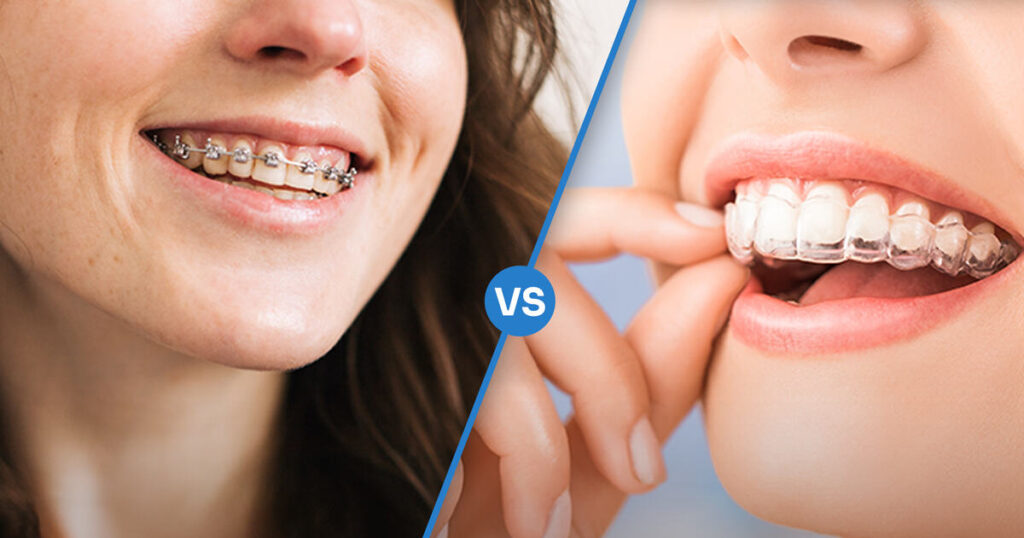
Wondering whether Invisalign vs braces can straighten your teeth faster and more comfortably? It’s a common concern. Everyone wants an effective, timely solution without surprises. Both options are part of professional orthodontics services, which focus on aligning teeth and improving your bite.
The best choice depends on your specific teeth, bite, and lifestyle. Consulting an experienced orthodontist ensures you make the right decision. Read on to get a clear, practical comparison and discover which treatment may work best for your smile.
Invisalign vs Braces: What Actually Determines Treatment Speed?
When you compare Invisalign vs Braces, treatment speed is not defined by the appliance alone. Several clinical and behavioral factors influence how long your orthodontic treatment will actually take. The most important factors include:
- Severity of Misalignment: The more crowded the teeth, gaps, or bite issues involved, the more complex and time‑consuming the treatment will be.
- Type of Tooth Movement: Some movements, like rotations or vertical shifts, naturally take longer to complete safely.
- Patient Compliance: Following instructions, wearing appliances as directed, and keeping appointments directly affect how smoothly treatment moves forward.
- Treatment Planning Quality: A clear, well-organized treatment plan helps prevent delays and reduces the need for corrections later on. Ensuring access to affordable dental care also supports consistent follow-ups and timely supporting treatments, helping the orthodontic plan stay on plan without unnecessary interruptions.
- Orthodontist Experience: An experienced orthodontist knows when and how to make adjustments, keeping treatment efficient and on track.
- Biological Response: Everyone’s body responds differently. Factors like bone density, gum health, and natural tooth movement speed all play a role. Healthy gums supported by regular teeth cleaning allow teeth to move more predictably during orthodontic treatment.
Suggested Article: How Often Should You Get a Dental Cleaning?
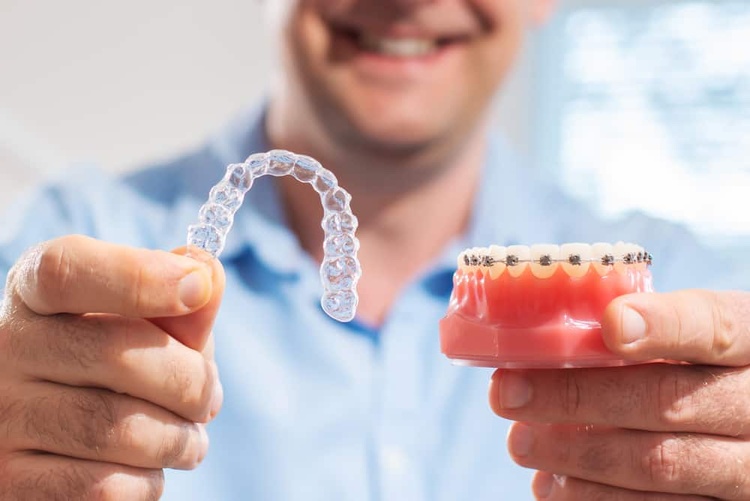
How Long Does Invisalign Take to Straighten Teeth?
Invisalign treatment typically takes between 12 and 24 months, depending on how complex your alignment issues are. Mild cases may show visible improvement within a few months, while moderate cases usually require a full, planned treatment cycle. Consistent aligner wear and regular checkups help keep the timeline on track.
When Invisalign Works Faster Than Braces
Invisalign can deliver quicker results when treatment involves:
- Mild to moderate crowding: Teeth that need small positional adjustments usually respond efficiently to clear aligners.
- Minor spacing issues: Closing small gaps often requires fewer aligner stages and shorter treatment plans.
- Limited tooth rotations: Slight rotations are easier to correct without extended force application.
- Patients with high compliance: Wearing aligners 20–22 hours per day supports steady, predictable progress.
- Cases without major bite correction: Treatments focused on alignment rather than complex bite changes tend to move faster.
Note: Untreated cavities can delay the start of Invisalign or interrupt treatment once it has begun. Addressing decay early with appropriate dental fillings helps prevent discomfort, aligner interruptions, and unplanned pauses

How Long Do Traditional Braces Take?
Traditional braces typically take 18 to 24 months to straighten teeth, though treatment time can be shorter or longer depending on case complexity. Because braces apply continuous force, progress is not affected by daily wear habits.
When Braces Are the Faster Option
Braces may deliver faster results in cases involving:
- Severe crowding or misalignment: Teeth that are significantly out of position often require stronger, continuous control.
- Complex bite issues: Conditions such as overbites, underbites, or crossbites usually need precise force management.
- Significant tooth rotations: Heavily rotated teeth respond more predictably to fixed appliances.
- Vertical tooth movement: Adjustments involving tooth height or eruption are often handled more efficiently with braces.
- Lower patient compliance: Since braces are fixed, treatment continues consistently without relying on daily appliance use. This is often practical for younger patients who may struggle with consistent aligner wear.
Note: In cases of severe crowding, strategic tooth extractions can create the space needed for braces to move teeth more efficiently, helping avoid unnecessary delays in complex treatment plans.

Ready to see fast, effective results with Invisalign or braces?
At Lisgar Park Dental, our expert team customizes your treatment plan, provides professional guidance, and delivers top-quality care to help you achieve a confident, healthy smile.
Book your consultation now!
Invisalign vs Braces: Practical Comparison for Treatment Speed
To make our comparison practical, we’ve summarized Invisalign and braces in a concise table so you can quickly see which method tends to work faster under different conditions:
| Treatment | Average Speed | Best Conditions for Quick Results |
| Invisalign | Faster in mild or moderate cases | Minor crowding or spacingSlight rotationsGood patient complianceNo major bite issues |
| Braces | Faster in severe or complex cases | Significant crowdingMajor rotationsVertical tooth movementBite correctionsLess patient compliance |
Research Evidence: Invisalign treatment usually takes about 12–18 months on average, especially for mild to moderate orthodontic cases, while traditional braces often require 18 months to 2 years or more, depending on complexity. (Source)
Note: Recognizing the early signs of gum disease before starting Invisalign or braces is essential and should be addressed first, as untreated gum disease can interfere with tooth movement and delay orthodontic treatment.
Get Expert Guidance on Choosing Invisalign vs Braces
Deciding between Invisalign vs braces depends on your teeth, bite complexity, and lifestyle. Every smile is unique, so the fastest and most effective results come from consulting an experienced orthodontic professional.
At Lisgar Park Dental, our team evaluates your dental needs, explains the benefits of Invisalign vs braces, and recommends the treatment that fits you best. We provide top-quality care to help you achieve a healthy, confident smile with the most efficient results possible.
FAQ
Is Invisalign always faster than braces?
No. Invisalign can be faster for mild to moderate alignment issues, but braces often work more efficiently for complex tooth movements and bite corrections.
Does wearing aligners less affect Invisalign treatment time?
Yes. Invisalign requires 20–22 hours of daily wear. Inconsistent use is one of the most common reasons treatment takes longer than planned.
Are braces better for severe orthodontic problems?
In most cases, yes. Braces give orthodontists greater control over complex rotations, vertical movements, and significant bite issues.
Which option works faster for adults: Invisalign or braces?
For many adults with mild crowding or spacing, Invisalign may be faster. However, treatment speed ultimately depends on case complexity, not age alone.
Can Invisalign and braces take the same amount of time?
Yes. In moderate cases with good compliance, both treatments can have similar timelines, often ranging between 12 and 24 months.
Have you tried Invisalign or braces, or are you considering treatment? Share your questions, concerns, or experiences in the comments below. We’d love to hear from you!
