



If the thought of visiting the dentist makes you feel nervous or causes you to delay appointments, this is a well-documented experience that many patients go through. Dental anxiety is common, and there are practical ways to manage and reduce it.
In this guide, we’ll walk through how to overcome dental anxiety using simple, effective strategies. From basic breathing and relaxation techniques to communication tips and sedation options when needed, you’ll learn practical steps for different levels of anxiety. Whether your fear is mild or more severe, the goal is the same: helping you feel more comfortable and confident during dental visits while taking care of your oral health.
Understanding Dental Anxiety
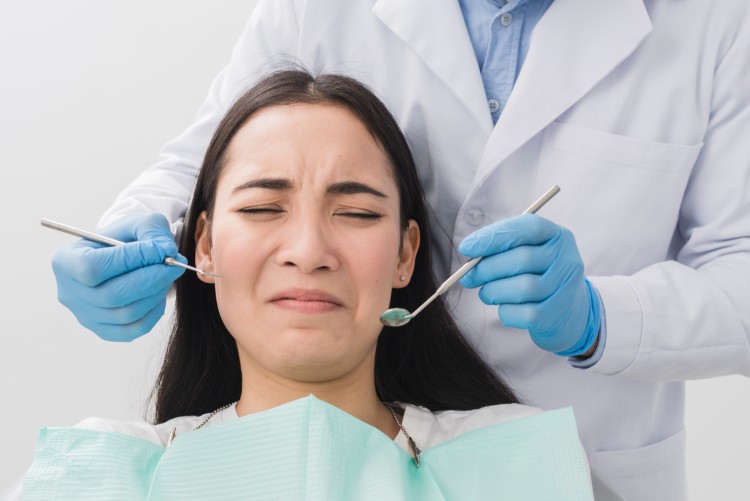
Dental anxiety is a feeling of fear, stress, or unease related to dental visits or treatments. It can range from mild nervousness to a strong fear that leads to avoiding the dental hygienist altogether. Understanding what it is and how it shows up is the first step toward managing it more effectively.
Common Causes and Why It Happens
Dental anxiety usually doesn’t appear without a reason. It often develops from a combination of past experiences, expectations, and emotional responses. Some of the most common triggers include:
- Previous negative or painful dental experiences
- Fear of pain, needles, or dental instruments like the drill
- Feeling a loss of control while sitting in the dental chair
- Hearing negative stories from others
- General anxiety tendencies or psychological sensitivity
Identifying what specifically triggers your anxiety can make it easier to manage and reduce over time.
Is Dental Anxiety Normal? Yes, dental anxiety is very common. Research shows that a significant portion of adults experience some level of it. According to a systematic review and meta-analysis published in the Journal of Dentistry, about 15.3% of adults experience dental fear and anxiety, with 12.4% having high levels and around 3.3% experiencing severe forms. In other words, this is a shared experience for many people, not something unusual or rare.
How to Recognize Your Anxiety Level (Mild, Moderate, or Severe/Phobic)
Dental anxiety can look different from person to person, and understanding your level can help you choose the right coping strategies:
- Mild: You feel nervous before appointments, but still attend them regularly.
- Moderate: You often delay or cancel visits and feel strong stress before treatment.
- Severe (Dental Phobia): You avoid dental care for long periods, even when you are in pain or aware of a problem or need emergency dental care.
A helpful tool for self-assessment is the Modified Dental Anxiety Scale (MDAS), a short questionnaire used to measure anxiety levels. If needed, your dental team can also guide you through it to better understand your situation.
Quick Overview (Table) of Practical Solutions Based on Dental Anxiety Levels
The most effective way to overcome dental anxiety is to match the right strategies with the level of fear you’re experiencing. The table below gives you a quick, practical view of what actually helps at each stage:
| Level of Anxiety | What It Feels Like | Practical Tips You Can Use |
| Mild Dental Anxiety | Nervous before appointments but still able to attend | • Open communication with dentist + stop signal• Breathing techniques (4-7-8, 3-4-5)• Progressive muscle relaxation• Distraction (music, podcasts, stress ball, companion) |
| Moderate Dental Anxiety | Frequent delays, avoidance, strong stress before visits | • CBT (reframing negative thoughts)• Gradual exposure to dental environment• Positive reinforcement after each step• Environmental control (short visits, breaks, headphones) |
| Severe Dental Anxiety / Phobia | Avoiding dentist for long periods, even with pain | • Sedation dentistry (Nitrous Oxide, oral sedatives)• General anesthesia (in rare cases)• Professional psychological support (CBT, specialist referral) |
Clinical Note: Dental anxiety in children is influenced by factors such as previous experiences, parental attitudes, and the child’s level of familiarity with dental care. Early positive experiences, supportive parental behavior, age-appropriate techniques (especially performed by a pediatric dentist), and gradual exposure can help reduce fear and improve cooperation during dental visits.
The table above summarizes the most useful approaches for each level of dental anxiety. In the next sections, we’ll go deeper into each group of strategies so you can understand how to apply them in real situations and make them part of your routine.
1. Practical Tips for Mild Dental Anxiety (Non-Pharmacological)
Most people with dental anxiety fall into the mild category. The good news is that simple, non-medication strategies can make a big difference. Here are the most effective practical tips we recommend to our patients.
1-1 Build Trust and Open Communication with Your Dentist
The foundation of overcoming dental anxiety starts with trust. Be honest with your dentist about your fears right from the beginning. Tell them what worries you most and what would help you feel more comfortable.
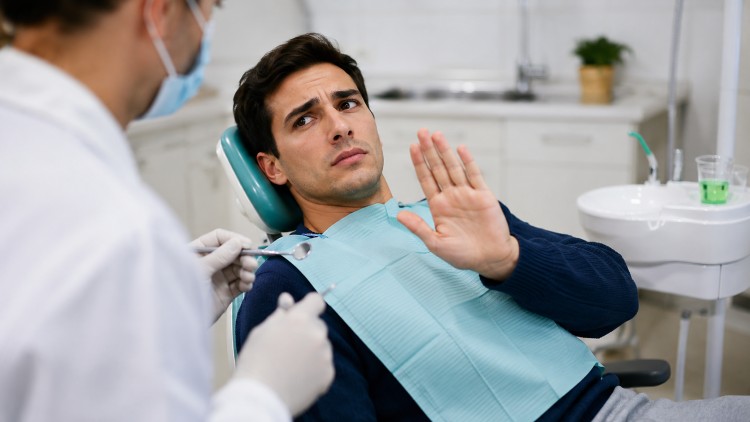
A very effective tool is agreeing on a stop signal, for example, raising your hand. This simple agreement gives you back a sense of control. Our team always welcomes open conversations and will never rush you.
Tip: Choosing a trusted family dentist helps build a long-term relationship that reduces dental anxiety and makes ongoing care feel more familiar, comfortable, and stress-free.
1-2 Simple Relaxation and Breathing Techniques
Breathing exercises are one of the quickest ways to calm your nervous system during a dental visit. Try these proven techniques:
- 4-7-8 Breathing: Inhale quietly through your nose for 4 seconds, hold your breath for 7 seconds, then exhale slowly through your mouth for 8 seconds. Repeat 4 times.
- 3-4-5 Breathing: Inhale for 3 seconds, hold for 4 seconds, and exhale for 5 seconds.
- Progressive Muscle Relaxation: Gently tense and then release different muscle groups (starting from your toes up to your shoulders) while sitting in the chair.
Practice these at home first, so they become natural when you need them.
1-3 Distraction Methods During Appointments
Taking your mind off the procedure can significantly lower anxiety. Here are some methods that work well:
- Listen to your favorite music or podcast with noise-canceling headphones
- Watch a show or video on a tablet (many clinics can arrange this)
- Squeeze a stress ball or focus on a calming object
- Bring a supportive friend or family member with you
2. Practical Tips for Moderate Dental Anxiety (Advanced Behavioral & Cognitive Approaches)
If your anxiety is more than mild and often causes you to delay appointments, these next-level strategies can help you retrain your mind and body for a more positive experience.
2-1 Cognitive Behavioral Techniques and Desensitization
Cognitive Behavioral Therapy (CBT) is highly effective for dental anxiety. The core idea is to identify negative thoughts (“This will hurt” or “I’m not in control”) and gently replace them with more balanced ones (“I’m safe and we’re going at my pace”).
A simple technique you can start today:
- Write down your fearful thoughts before an appointment.
- Challenge it with evidence (e.g., “I’ve survived appointments before”).
- Replace it with a calmer statement.
Our team can guide you through these techniques or refer you to professionals who specialize in CBT for dental fear.
Read more: When to Worry About Tooth Sensitivity and What to Do

2-2 Gradual Exposure and Positive Reinforcement
Gradual Exposure Therapy (also called desensitization) works by facing your fear in small, manageable steps instead of all at once.
Practical examples:
- Start by just visiting the clinic to sit in the waiting room without treatment.
- Next time, sit in the dental chair for a short check-up with no procedures.
- Gradually build up to cleaning or minor treatments.
- After each step, reward yourself with something positive.
This method helps your brain learn that the dental environment is safe.
2-3 Environmental Adjustments and Enhancing Control
You can make the dental setting feel less threatening by taking control of your environment:
- Request shorter appointments at first
- Ask to have the chair positioned more upright if it feels better
- Use noise-canceling headphones or ask for breaks during treatment
- Choose appointment times when you feel most relaxed (e.g., morning)
These small adjustments give you a stronger sense of control and reduce overwhelm.
Overcome Dental Anxiety With Gentle Care
Dental anxiety can make even routine visits feel stressful, but with the right support, you can feel more relaxed and in control. Communication, relaxation techniques, and sedation options can all help make your experience easier. At Lisgar Park Dental, we provide calm, patient-focused care for anxious patients at every step.
Contact us today to book a stress-free appointment.
3. Practical Tips for Severe Anxiety or Dental Phobia (When Stronger Support Is Needed)
When dental anxiety becomes severe, simple coping strategies are often not enough. At this stage, the focus shifts to providing additional support so you can still receive the care you need in a safe and manageable way. Our team regularly works with patients who feel this level of fear and plans treatment around their comfort.
3-1 Pharmacological Options: Sedation (Nitrous Oxide, Oral Sedatives)
Sedation can make dental treatment much more manageable for patients with high anxiety. It helps lower stress levels during the appointment while keeping you safe throughout the procedure.
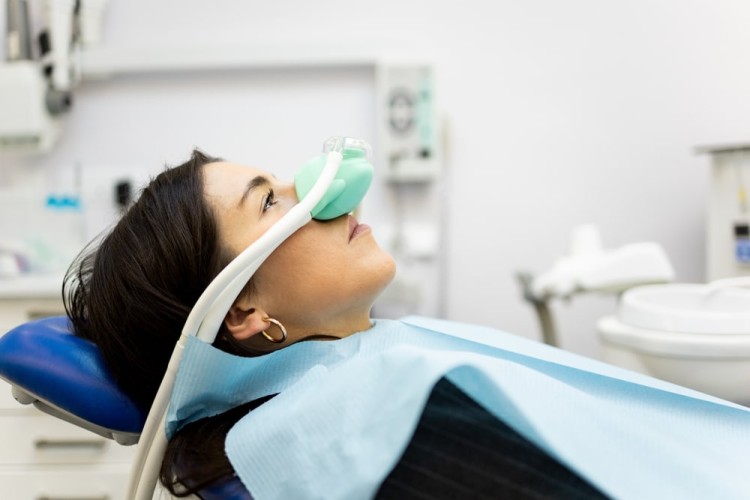
- Nitrous Oxide (Laughing Gas): A light sedative that you inhale through a small mask. It starts working quickly and helps you feel calmer and more relaxed. The effects wear off soon after treatment, so you can usually return to normal activities shortly afterward.
- Oral Sedatives: These are prescription medications taken before your appointment. They reduce anxiety more strongly than nitrous oxide and help you feel drowsy and less aware of the procedure.
Both options are part of sedation dentistry and are used under professional supervision. Your dentist will review your health history and discuss what is appropriate for your situation before anything is decided.
You may need: Severe Tooth Pain? When to Visit an Emergency Dentist in Toronto
3-2 When General Anesthesia May Be Considered
In uncommon situations, where anxiety is extremely severe or treatment is complex, general anesthesia may be an option. In this case, you are fully asleep during the procedure and will not feel or remember it. This approach is usually done in a hospital or specialized clinic and is reserved for cases where other methods are not suitable.
4. Long-Term Practical Tips to Break the Fear Cycle
A sustainable way to how to overcome dental anxiety is to gradually change the avoidance pattern that keeps the fear active. Keeping dental visits consistent, even when they are short or simple, helps your mind become more familiar with the experience again and reduces the intensity of the response over time.
Combining this with structured support, such as CBT with a qualified therapist or gradual exposure through step-by-step appointments, can make the process easier to manage.
It also helps to set small, realistic goals instead of expecting the fear to disappear quickly, for example, completing a routine check-up without cancelling or handling one procedure at a comfortable pace. Over time, these repeated low-pressure experiences retrain your reaction to dental care and make future visits feel more predictable and easier to handle.
Read more: How Often Should You Get a Dental Cleaning?
Get Help for Dental Anxiety in Mississauga
You don’t have to face dental anxiety alone. Whether through simple techniques or more advanced support, it is possible to overcome dental anxiety and enjoy healthier dental visits.
At Lisgar Park Dental in Mississauga, our team offers compassionate, personalized care for anxious patients, including gentle techniques, sedation options, and a supportive environment tailored to your needs. Ready to take the next step? Book your appointment today.
FAQ
1. Is dental anxiety something I should be ashamed of?
No, not at all. Dental anxiety is very common and completely understandable. You are not alone.
2. What is the best way to reduce dental anxiety quickly?
Use deep breathing techniques like 4-7-8, communicate your fears, and agree on a stop signal with your dentist.
3. Can sedation help with dental anxiety?
Yes. Options like nitrous oxide (laughing gas) or oral sedatives can safely reduce anxiety during treatment.
4. How do I find a dentist who understands dental anxiety?
Look for dentists who offer sedation, listen carefully, and allow you to go at your own pace.
5. How long does it take to overcome dental anxiety?
It varies by person, but many see significant improvement within a few supportive visits.
6. Where can I get treatment for dental anxiety in Mississauga?
At Lisgar Park Dental, our team specializes in gentle, anxiety-friendly care. Book an appointment today.
If you’ve experienced dental anxiety, feel free to share your thoughts or questions in the comments. Your experience might help someone else feel more confident about taking the first step.
