


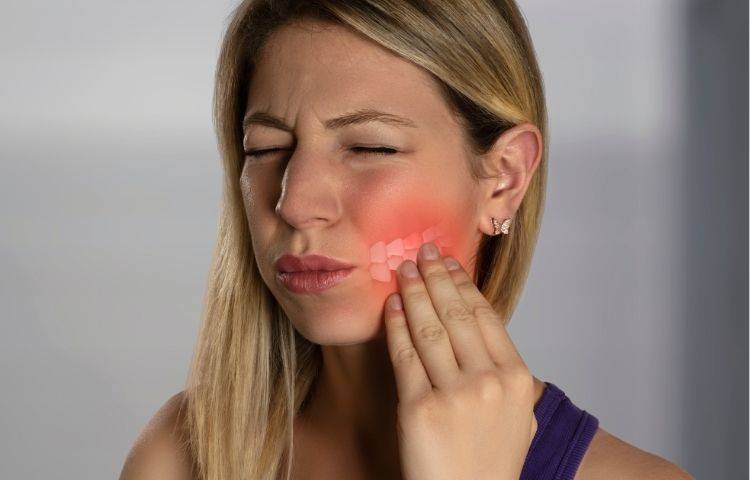
A toothache at night can feel impossible to ignore. Many people notice that discomfort becomes sharper once they lie down to sleep, especially when the pain is caused by inflammation, infection, or pressure around the tooth. In some cases, the pain may start as mild sensitivity and quickly develop into severe throbbing that keeps you awake for hours.
Learning how to get rid of a toothache at night starts with understanding what is causing the pain in the first place. Problems such as tooth decay, cavities, a dental abscess, gum disease, wisdom teeth, or a cracked tooth can all lead to nighttime discomfort. While some home remedies may offer temporary pain relief, persistent symptoms often require professional dental treatment to stop the problem from worsening.
In this guide, we will explain why toothaches often feel worse at night, the most common causes of nighttime tooth pain, how to get temporary relief at home, and when it is important to seek professional dental care.
Why Toothaches Feel Worse at Night
Many people search for how to stop tooth pain fast because nighttime discomfort often feels much more intense than daytime pain. This happens for several reasons, including body position, inflammation, and the brain’s processing of pain in quiet environments.
Understanding why the pain worsens at bedtime can help you manage symptoms more effectively and decide when to seek professional care.

Increased blood flow when lying down
When you lie flat, blood flow to the head naturally increases. This added circulation can increase pressure around an inflamed tooth or irritated nerve, making nighttime toothache relief more difficult. If there is already swelling from a tooth infection or inflamed gums, the throbbing sensation may become much stronger after lying down.
This is one reason many people notice their pain becomes worse the moment they get into bed.
Less distraction makes pain feel stronger
During the day, work, conversations, movement, and noise help distract the brain from discomfort. At night, the environment becomes quiet, with fewer distractions competing for attention. Even moderate tooth pain may suddenly feel severe once you are trying to sleep.
This is especially common with sensitive teeth, untreated cavities, or exposed nerves.
Pressure and inflammation around the tooth
Inflammation is one of the biggest causes of throbbing tooth pain at night. Infection, plaque buildup, or injury can irritate the tissues surrounding the tooth and place pressure on nearby nerves. This irritation often worsens over time if the underlying cause is not treated.
Read more: “My Tooth Got Knocked Out!” – Your Emergency Dental Guide in Toronto”
Common Causes of Toothache at Night
A persistent toothache rarely happens without a reason. In most cases, the pain is a warning sign that something inside the tooth or gums needs attention. Some causes are relatively minor, while others may become a serious dental emergency if left untreated.
Recognizing the source of the pain can help determine whether you need temporary at-home relief or immediate professional treatment.
Tooth decay and cavities
One of the most common causes of a persistent toothache is untreated tooth decay. When bacteria wear through the enamel, they create cavities that expose the sensitive inner layers of the tooth. At first, the pain may only happen when eating sweets or drinking something cold. Over time, the discomfort can become constant.
Without treatment, such as a dental filling, decay may eventually reach the tooth nerve.
Dental abscess or tooth infection
A dental abscess is a pocket of infection caused by bacteria entering the tooth or gums. This condition often causes severe throbbing pain, swelling, bad breath, and sensitivity to pressure. In some cases, pain may spread to the jaw, ear, or neck. A serious tooth infection usually requires professional treatment, and delaying care can increase the risk of complications.
Gum disease and swollen gums
Inflamed or bleeding gums may indicate gum disease, especially when plaque accumulates around the teeth. As the condition worsens, the gums can pull away from the teeth, exposing sensitive roots.
Many people experience swollen gums and tooth pain at night because inflammation tends to feel worse when lying down.
Cracked or damaged teeth
A cracked tooth may cause sharp pain while chewing or sensitivity to temperature changes. Sometimes the crack is too small to notice visually, but it still exposes the inner nerve of the tooth. In more advanced cases, restorative treatments such as a crown may be needed to protect the tooth structure.
Wisdom tooth pain
Wisdom teeth can create pressure, swelling, or infection if there is not enough space for them to grow properly. Impacted wisdom teeth are especially known for causing discomfort that intensifies at night.
Teeth grinding during sleep
Bruxism (Teeth Grinding) places continuous pressure on the teeth and jaw during sleep. Over time, grinding can wear down enamel, irritate nerves, and cause morning jaw soreness or headaches.
Sinus infections causing tooth pressure
A sinus infection can sometimes create pressure near the upper molars because the sinus cavities sit close to tooth roots. This may feel like a toothache even when the teeth themselves are healthy.
Read more: “All Gum Disease Symptoms You Should Keep an Eye on”
How to Get Rid of a Toothache at Night
Many people searching for how to get rid of a toothache at night are looking for immediate relief so they can sleep. While home remedies cannot cure the underlying problem, they may temporarily reduce inflammation, swelling, and discomfort until you can visit a dentist.
These methods work best as short-term solutions rather than permanent treatment.
Rinse with warm salt water
A saltwater rinse for tooth pain is one of the simplest remedies. Warm salt water helps clean the mouth, reduce bacteria, and calm irritated tissues.
Mix half a teaspoon of salt into warm water and gently rinse for about 30 seconds several times throughout the evening.
Apply a cold compress to the jaw
A cold compress for a toothache may help numb the area and reduce swelling. Wrap an ice pack or cold towel in cloth and place it against the outside of the jaw for 15 to 20 minutes at a time.
Cold therapy is often more helpful than heat for dental inflammation.
Use over-the-counter pain relievers
Over-the-counter medications such as Ibuprofen or Acetaminophen may provide temporary relief for a severe toothache. Ibuprofen may be especially helpful because it can reduce both pain and inflammation.
Always follow dosage instructions carefully and avoid placing aspirin directly on the gums, as it may irritate tissue.
Keep your head elevated while sleeping
If you are wondering how to sleep with tooth pain, try using an extra pillow to keep your head slightly elevated. This may reduce blood pressure in the affected area and lessen throbbing sensations at night.
Try clove oil for temporary numbing
Clove Oil contains a natural compound called eugenol, which may temporarily numb painful areas. Apply a small amount carefully using a cotton swab near the affected tooth. Although some people find relief with clove oil, it should not replace professional dental care.
Avoid hot, cold, and sugary foods
Very hot or very cold foods can irritate exposed nerves and worsen pain. Sugary foods may also aggravate cavities or infection. Stick to soft, mild foods until the pain improves.
Gently floss around the painful tooth
Sometimes food particles trapped between teeth can increase pressure and irritation. Gentle flossing may help reduce discomfort, especially if the pain is related to gum inflammation. For some people, this is an easy way to temporarily relieve nighttime dental pain.

Signs Your Toothache May Be a Dental Emergency
Not every toothache requires urgent care, but some symptoms should never be ignored. Certain warning signs may indicate a spreading infection or severe damage that requires immediate emergency dental care.
If the following symptoms appear, contact an emergency dentist as soon as possible.
Severe swelling in the face or gums
Swelling that spreads to the cheeks, jaw, or gums may indicate infection or an abscess. Facial swelling should always be taken seriously.
Fever or signs of infection
Fever combined with dental pain may suggest a serious infection inside the tooth or gums.
Pus or bad taste in the mouth
Pus drainage or a persistent bad taste are common signs of a dental abscess and should be evaluated quickly.
Difficulty swallowing or breathing
Difficulty breathing or swallowing can signal that the infection is spreading beyond the mouth. This may require urgent medical attention.
Persistent throbbing pain that won’t stop
Constant throbbing pain that does not improve with medication often means the underlying issue is becoming worse.
Get Professional Help for Persistent Tooth Pain
If your toothache is keeping you awake at night, do not ignore the warning signs. Early treatment can help prevent infection, reduce pain, and protect your long-term oral health. The team at Lisgar Park Dental provides professional dental care for toothaches, infections, cavities, and other urgent dental concerns. Contact the clinic today to schedule an appointment and get the relief you need before the problem worsens.
Dental Treatments for Persistent Tooth Pain
While home remedies may help temporarily, long-term relief usually requires treatment of the underlying dental problem. Dentists focus on removing infection, repairing damage, and protecting overall oral health. The right treatment depends on the cause and severity of the pain.
Dental fillings for cavities
Small to moderate cavities are commonly treated with a dental filling to restore the damaged tooth and prevent further decay.
Root canal treatment for infection
If infection reaches the inner pulp of the tooth, or if root canal treatment is recommended. This procedure removes infected tissue while preserving the natural tooth whenever possible.
Dental crown for damaged teeth
A dental crown may be used to strengthen teeth weakened by cracks, large fillings, or extensive decay.
Tooth extraction for severe damage
When a tooth cannot be saved, tooth extraction may be necessary to remove the source of infection or pain.
Gum disease treatment and deep cleaning
Professional cleaning and gum therapy may help reduce bacteria, inflammation, and plaque buildup associated with gum disease.
How to Prevent Toothaches at Night
Many cases of toothache at night can be prevented with good daily habits and regular dental care. Early treatment often prevents small problems from becoming severe infections or chronic pain. Preventive care is usually far easier and less expensive than treating advanced dental problems later.
Brush and floss consistently
Brushing twice daily and flossing regularly helps reduce plaque and bacteria that contribute to cavities and gum disease.
Schedule routine dental checkups
Regular dental visits allow dentists to detect decay, infection, or damage early before symptoms become severe.
Patients exploring programs such as the CDCP should also ask their dental provider about the available preventive and restorative services.
Reduce sugary foods and drinks
Frequent sugar exposure feeds bacteria that contribute to tooth decay and enamel damage.
Wear a night guard for teeth grinding
People with Bruxism (Teeth Grinding) may benefit from a custom night guard to reduce pressure on teeth during sleep.
Treat small cavities early
Treating small cavities promptly may prevent future infection, nerve pain, and more extensive restorative procedures.
Read more: “Government Dental Coverage for Seniors in Canada.”
Professional Dental Care
At Lisgar Park Dental, patient care focuses on preventive dentistry, restorative treatment, and professional guidance for ongoing oral health concerns. Information in this article is educational only and should not replace an examination, diagnosis, or treatment plan from a licensed dental professional. Persistent tooth pain, swelling, infection, or dental trauma should always be evaluated by a qualified dentist to determine the safest and most effective treatment options.
Conclusion
Understanding how to get rid of a toothache at night begins with identifying its cause. Problems such as cavities, infections, gum disease, wisdom teeth, or damaged teeth often become more noticeable at bedtime due to inflammation and pressure changes.
Although home remedies may provide temporary relief, severe or ongoing tooth pain usually requires professional dental care. According to the Cleveland Clinic, toothaches caused by cavities, infection, or other dental conditions typically do not improve on their own and may worsen without treatment. Early treatment can help prevent infection and worsening pain
FAQ
1. Why does my toothache get worse at night?
Tooth pain often feels worse at night because lying down increases blood flow and pressure around inflamed tissues. Fewer distractions also make pain feel more noticeable.
2. How can I stop tooth pain fast at home?
If you need emergency toothache relief, try rinsing with warm salt water, using a cold compress, taking over-the-counter pain medication, and keeping your head elevated.
3. What is the best painkiller for a toothache?
Many dentists recommend Ibuprofen for dental pain because it helps reduce inflammation and discomfort. Acetaminophen may also help in some cases.
Have you ever had a toothache that suddenly gets worse at night when you’re trying to sleep? Share your experience below, what helped you manage the pain, and did you need to see a dentist in the end?
