



Gum disease is one of the most common oral health issues, yet many people don’t notice the early warning signs until the condition becomes painful or advanced. The good news is that gum disease is highly treatable when detected early, and often fully preventable with the right care. This guide helps you understand every important symptom, when to seek help, what causes gum problems, and how dentists diagnose and treat them.
Whether you’re worried about bleeding gums, bad breath, or gum recession, this blog explores all gum disease symptoms and evidence-based information to protect your oral health and overall well-being.
What Are the Most Common Gum Disease Symptoms?
Gum disease symptoms can appear gradually, so many people overlook them at first. Knowing the difference between early and advanced symptoms helps you take action at the right time.
Early Symptoms
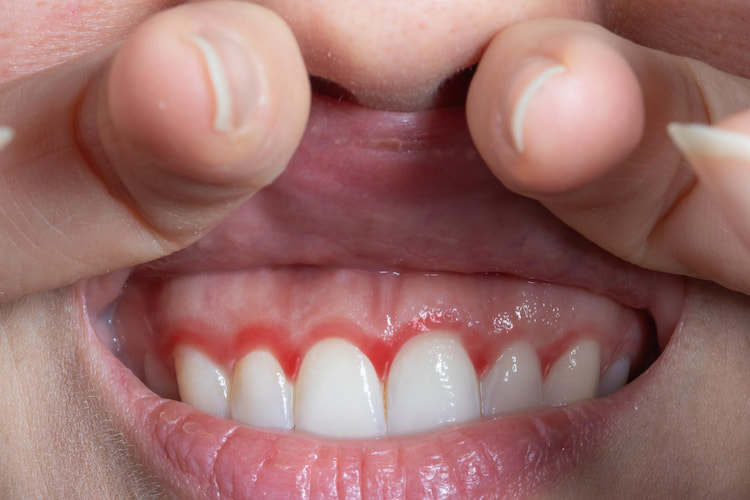
Early-stage gum disease is called gingivitis, and symptoms may be mild but shouldn’t be ignored. These include:
- Red, swollen gums: Instead of looking pale pink, your gums may appear darker or puffy.
- Gums that bleed easily: Especially when brushing or flossing.
- Persistent bad breath: caused by bacteria building up under the gums.
- Tender or sensitive gums: You may feel discomfort when eating certain foods or brushing.
At this stage, gum disease is still reversible. Professional cleaning and improved home care can often restore gum health completely.
Advanced Symptoms
Advanced gum disease, known as periodontitis, affects deeper tissues and bone. Symptoms include:
- Receding gums that make teeth look longer.
- Deep pockets forming between teeth and gums.
- Loose or shifting teeth due to bone loss.
- Pain when chewing or sensitivity to temperature.
- Pus around the gums; a sign of infection.
Advanced symptoms require immediate professional treatment to stop the damage from progressing.
What Are the Types of Gum Disease?
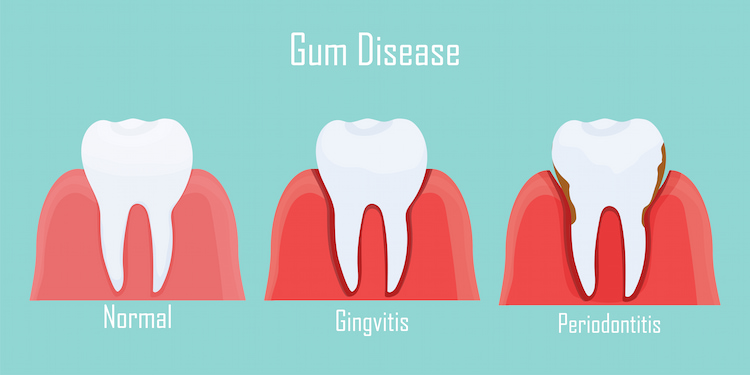
Gum disease progresses in stages, and understanding these helps you identify the severity of your condition.
| Type of Gum Disease | Description | Reversibility |
| Gingivitis | Early inflammation of the gums without bone loss | Reversible |
| Mild Periodontitis | Infection starts damaging fibers that support teeth | Manageable, not fully reversible |
| Moderate Periodontitis | Bone loss becomes visible; deeper pockets form | Requires ongoing treatment |
| Severe Periodontitis | Significant bone loss and loose teeth | May require advanced procedures |
What Causes Gum Disease and Its Symptoms?
Gum disease usually develops from a buildup of plaque, a sticky layer of bacteria that forms on teeth daily. When plaque isn’t removed properly, it hardens into tartar, which irritates the gums. But several other factors increase your risk:
- Poor oral hygiene
- Smoking or vaping
- Hormonal changes (pregnancy, puberty, menopause)
- Chronic conditions like diabetes
- A diet high in sugar or acidic foods
- Genetics
- Dry mouth caused by medications
Reference: NIDCR
Need a Gum Check? Book a Preventive Cleaning at Lisgar Park Dental
Even if you have mild symptoms, early care prevents costly and painful dental issues later. Call us today; your gums will thank you.
When to See a Dentist for Gum Disease Symptoms
You don’t need to wait for pain to see a dentist. In fact, gum disease often progresses quietly. The table below helps you understand when you need a dentist’s help and when you need emergency dental care as soon as possible.
| See a Dentist If: | Seek Urgent Dental Care If: |
| Your gums often bleed | Pus between your gums and teeth |
| You notice bad breath that doesn’t go away | Severe swelling or pain |
| Flossing feels uncomfortable | Teeth that feel loose |
| Your gums are red, swollen, or tender | A bad taste in the mouth that keeps coming back |
| You see early gum recession | Rapid gum recession |

How Do Dentists Diagnose Gum Issues?
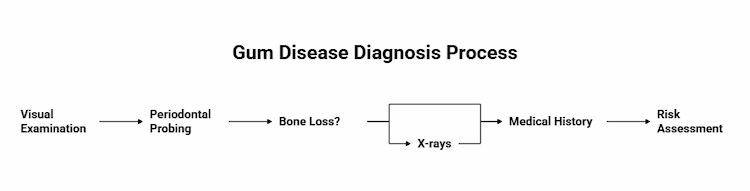
Dentists use a combination of visual examination, gentle probing, and imaging to diagnose gum problems accurately. First, your dentist will look closely at your gums to check for redness, swelling, recession, or areas that appear irritated. They will then measure the depth of the spaces between your teeth and gums using a small periodontal probe. These measurements help determine whether gum pockets are shallow and healthy or deep and infected, which is a key sign of periodontitis.
X-rays may also be taken to assess bone levels under the gumline, since bone loss cannot be seen during a visual exam. At the same time, your dentist will review your medical history, medications, and lifestyle habits, such as smoking or dry mouth, to understand all factors that may be affecting your gum health.
Combining these steps allows your dentist to create a personalized and accurate diagnosis, ensuring you receive the right type of care.
Treatment Options for Periodontal Disease
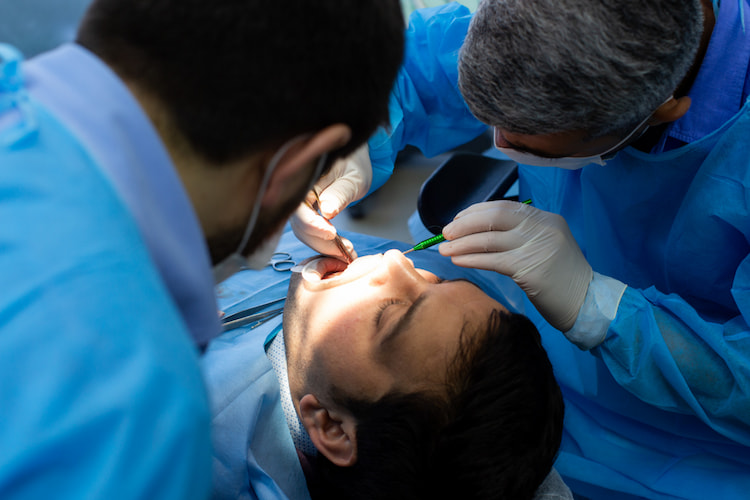
Treatment depends on how advanced the gum disease is. Your dentist may recommend non-surgical treatments or surgical treatments, which are explained below.
Non-Surgical Treatments
Non-surgical treatments are often the first line of defense against early to moderate gum disease. These treatments focus on stopping the disease from progressing and restoring gum health as much as possible.
One of the most effective methods is scaling and root planing, a deep-cleaning procedure that removes plaque, tartar, and bacteria from beneath the gumline. The dentist also smooths the root surfaces to help the gums reattach to the teeth and make it harder for bacteria to accumulate again. Sometimes, dentists may prescribe antimicrobial rinses or apply localized antibiotics into gum pockets to reduce bacterial growth.
Did You Know?
Scaling and regular teeth cleaning differ mainly in their purpose and depth. A regular cleaning is preventive and focuses on removing plaque and tartar above the gum line, while scaling removes hardened plaque and bacteria below the gumline, including inside gum pockets, and is often paired with root planing to help the gums heal.
In short, regular cleaning keeps your mouth healthy, while scaling treats infection and prevents gum disease from getting worse.
Surgical Treatments
When gum disease has progressed to an advanced stage and non-surgical treatments are no longer enough, surgical procedures may be recommended to save the teeth and stop further bone loss. Gum flap surgery is commonly used to clean deep pockets of bacteria by lifting the gums and thoroughly removing infected tissue before securing the gums back in place.
In cases with significant bone loss, procedures such as bone grafting or guided tissue regeneration may be performed to rebuild lost bone and support structures. Soft tissue grafts are another surgical option used when gum recession exposes tooth roots, helping cover and protect them.
Can You Prevent Gum Disease Symptoms at Home?
Preventing gum disease is easier than treating it. Here’s how to keep your gums healthy:
- Brush twice a day using a soft-bristled toothbrush.
- Floss daily to remove plaque from between teeth.
- Use an alcohol-free mouthwash to reduce bacteria.
- Stay hydrated to prevent dry mouth.
- Limit sugary snacks and drinks.
- Replace your toothbrush every 3 months.
A simple routine like the one below helps:
| Time | Action |
| Morning | Brush + Mouthwash |
| Midday | Rinse after meals |
| Night | Brush + Floss + Mouthwash |
One thing to keep in mind is that these habits work best when your gums are already healthy. If you’re noticing any symptoms of gum problems, home care won’t be enough, and professional treatment is the only way to stop the disease from progressing.
Gum Disease Symptoms: Take Action to Protect Your Oral Health
Gum disease doesn’t improve on its own. The earlier you treat it, the easier and more affordable it is to manage. Whether you’re experiencing mild bleeding or more advanced symptoms, professional care is essential to prevent long-term damage.
At Lisgar Park Dental, we offer complete gum evaluations, gentle cleanings, and advanced periodontal treatments designed to restore your gum health. You deserve a smile that feels as good as it looks; let’s protect it together. Book your gum health check today at Lisgar Park Dental.
FAQ
-
Are bleeding gums always a sign of gum disease?
Not always, but it’s one of the earliest and most common symptoms. Sometimes bleeding is caused by brushing too hard or starting to floss after a long break. However, if bleeding continues for more than a week, it’s best to see a dentist.
-
Can gum disease go away on its own?
No, gum disease does not heal without treatment. Gingivitis can be reversed with professional cleaning and better home care, but periodontitis requires ongoing dental treatment.
-
Is gum recession permanent?
Recession cannot grow back naturally, but treatments like gum grafting can restore coverage and protect exposed roots.
-
Why does bad breath happen with gum disease?
Bacteria trapped in pockets around your gums release sulfur compounds, leading to persistent bad breath. Deep cleaning removes these bacteria.
-
How often should I get a dental cleaning to prevent gum disease?
Most people need a cleaning every 6 months, but if you have gum disease, your dentist may recommend cleanings every 3 to 4 months to control bacteria.
-
Can children get gum disease?
Yes, though it’s less common. Kids may develop gingivitis if they don’t brush well or have orthodontic appliances. Early detection helps protect their long-term dental health.
Have a question? Drop it in the comments; we’d love to help!
