


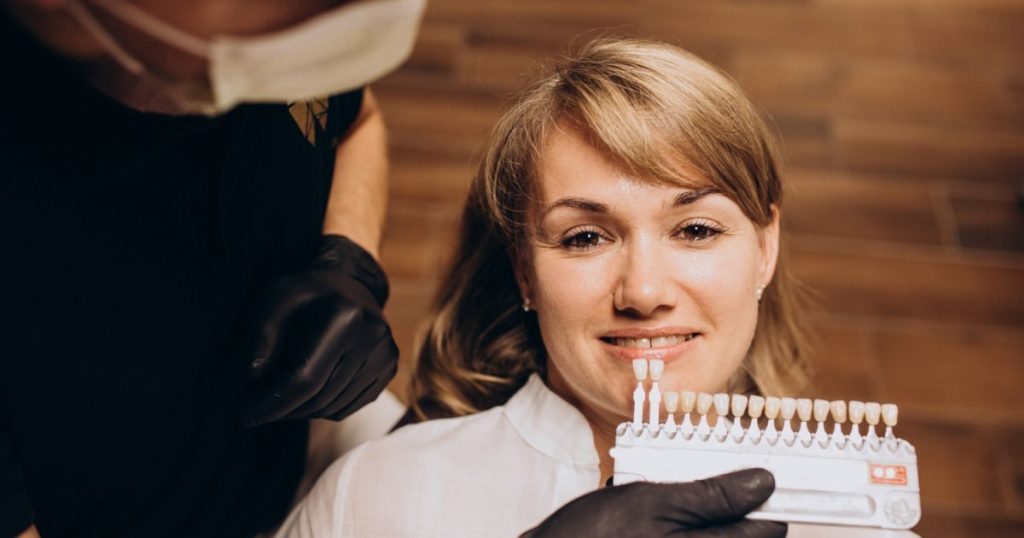
Porcelain veneers are one of the most effective cosmetic dental treatments available today. They can beautifully transform stained, chipped, gapped, or misshapen teeth into a natural-looking, confident smile. However, “Am I a good candidate for porcelain veneers?” is a very common and important question, because not everyone is an ideal fit for this procedure.
The answer depends on several key factors such as the health of your tooth enamel, gum condition, bite stability, and your overall oral health. In this guide, we’ll help you evaluate your own situation with a quick self-assessment checklist followed by the 7 key signs of a strong candidate. Keep reading until the end to gain a clear understanding of whether porcelain veneers are right for you.
Quick Self-Assessment Checklist: Are Porcelain Veneers Right for You?
This simple checklist can help you evaluate whether you may be a good candidate for porcelain veneers. It only takes a minute to go through and gives you a quick idea of your eligibility. Please remember, this is not a substitute for a professional dental consultation.
Answer Yes or No to the following statements:
- I have cosmetic concerns such as stains, chips, gaps, or uneven teeth.
- My gums are healthy with no signs of gum disease.
- I do not have any untreated cavities or tooth decay.
- I have sufficient healthy tooth enamel.
- I do not have severe teeth grinding (bruxism).
- I maintain good oral hygiene habits.
- My teeth and jaw are fully developed (typically for adults over 18).
Takeaway: If you answered “Yes” to most of these questions, you may be a good candidate for porcelain veneers. However, only a qualified dentist can confirm your eligibility after a proper examination.
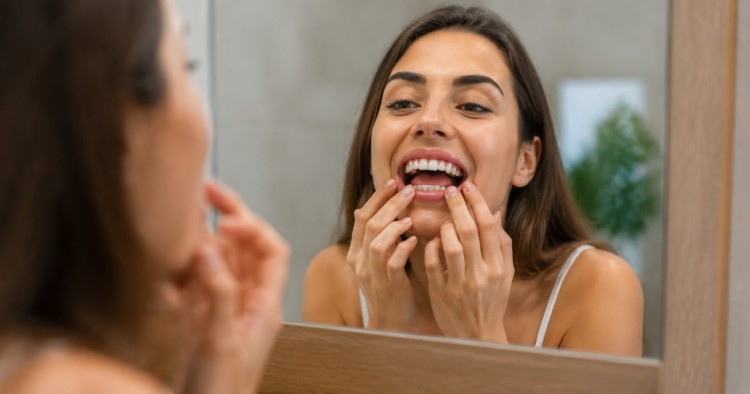
7 Key Signs You’re a Good Candidate for Porcelain Veneers
Now that you’ve completed the quick checklist, let’s take a closer look at each sign in more detail. These are the most important factors dentists consider when determining if someone is a good candidate for porcelain veneers.
1. You Have Minor to Moderate Cosmetic Concerns (Stains, Chips, Gaps, Misshapen Teeth)
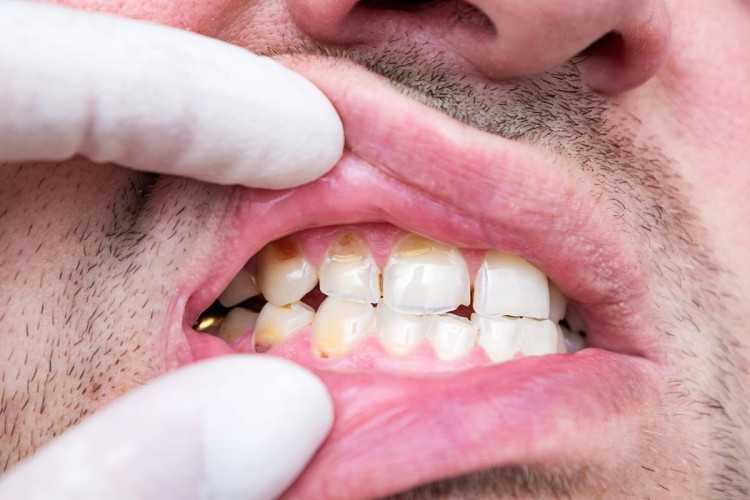
Porcelain veneers are excellent for fixing cosmetic issues rather than major structural problems. If you have stubborn stains that don’t respond to whitening, small chips, noticeable gaps between teeth, or slightly uneven or misshapen teeth, veneers can provide a beautiful, natural-looking transformation. They are ideal when your main goal is to improve the appearance of your smile without needing extensive dental work.
For more significant concerns, other treatments may be a better fit, such as dental crowns for heavily damaged teeth or orthodontics for more noticeable misalignment.
Related Topic: Why Do My Teeth Turn Yellow Even If I Brush Daily? Causes & Whitening Tips
2. Your Gums Are Healthy with No Active Gum Disease
Healthy gums are essential for the long-term success of porcelain veneers. Veneers sit right next to the gums, so any active gum disease or inflammation can lead to poor results or complications. If you have periodontal issues, they should be fully treated and stabilized before considering veneers. Healthy gums help ensure the veneers look natural and stay secure for many years.
If your gums need attention before moving forward, our teeth cleaning services can help you get there.
Use this guide: All Gum Disease Symptoms You Should Keep an Eye on
3. You Have Sufficient Healthy Tooth Enamel
Porcelain veneers require a small amount of healthy tooth enamel for proper bonding and strength. Your dentist needs enough enamel remaining on the front surface of your teeth to securely attach the veneers. If you have significant enamel wear or erosion, bonding may be weak and the treatment less predictable. Sufficient enamel is one of the most important technical requirements for successful veneer placement.
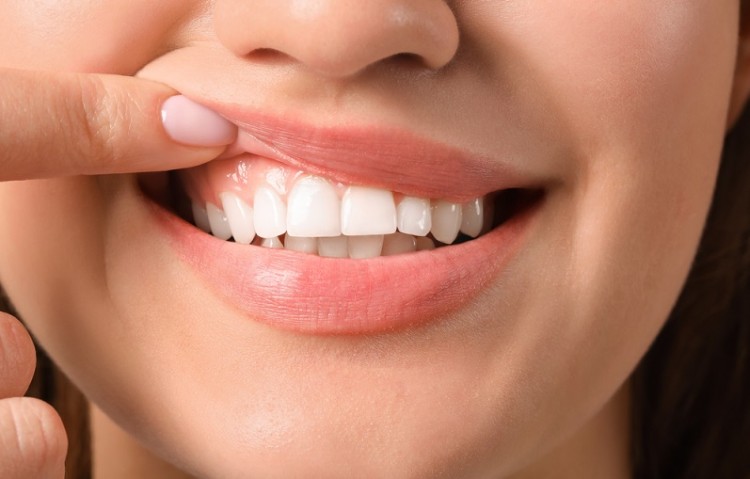
4. Your Teeth Have No Untreated Decay or Cavities
Any existing tooth decay or cavities must be treated before getting porcelain veneers. Veneers cover the front of the tooth but do not fix underlying structural problems. Placing veneers over untreated decay can lead to serious issues later. Your teeth need to be healthy and free of active decay for the treatment to be safe and effective. Depending on the extent of the decay, this may involve a dental filling or, in more advanced cases, a root canal therapy.
5. You Have a Stable Bite and Controlled (or No) Bruxism
A stable bite and controlled teeth grinding (bruxism) are important for protecting your veneers. Excessive or uncontrolled grinding can put too much pressure on the thin porcelain and cause chipping or premature wear. If you have mild bruxism, your dentist may recommend a night guard as part of your treatment plan. A stable bite helps ensure your veneers last longer and function properly.
Research Insight: Bruxism is more common than many people realize. According to a systematic review and meta-analysis published in PMC, approximately 1 in 4 adults worldwide experience some form of bruxism. This is why dentists carefully assess grinding habits before recommending veneers.
Read more: How Does Botox Work for TMJ Pain? Our Dentists Answer
6. You Maintain Good Oral Health and Have Realistic Expectations
Good oral hygiene and realistic expectations are key to long-term satisfaction. Porcelain veneers are not “set it and forget it”; they require regular brushing, flossing, and dental visits to stay in great condition. It’s also important to understand that while veneers can dramatically improve your smile, they have limitations. Patients who understand what veneers can and cannot achieve tend to be the happiest with their results.
7. Your Teeth and Jaw Are Fully Developed
Porcelain veneers are generally recommended for adults whose teeth and jaw have finished developing. This usually means patients who are 18 years or older. Placing veneers too early, before natural tooth development is complete, can lead to problems as the jaw and teeth continue to grow and change. Most cosmetic dentists prefer to wait until growth is complete for the best, most stable outcome.
Are Porcelain Veneers Right for You?
At Lisgar Park Dental, our cosmetic dentistry team will evaluate your gum health, enamel, bite, and aesthetic goals to find the best treatment for your smile. And if porcelain veneers are the right fit, our experienced cosmetic dentists are here to deliver results you can count on.
Contact us today to book your veneer consultation.
When You Are NOT a Good Candidate for Porcelain Veneers
While porcelain veneers are a great option for many people, they’re not right for everyone. If you have untreated gum disease, cavities, or significant enamel loss, these problems need to be fixed before veneers can even be considered. Severe teeth grinding, major bite issues, or heavily damaged teeth can also make you a poor candidate (other treatments may need to come first).
And if your oral hygiene habits aren’t consistent, or your expectations go beyond what veneers can realistically deliver, your dentist will likely recommend waiting or exploring other options.
Important note: These conditions do not always disqualify you permanently. Many can be addressed and resolved first, after which you may become a good candidate. A thorough dental evaluation is the best way to know for sure.
In cases where teeth are too severely damaged for veneers, extraction and replacement with dental implants may be a more appropriate long-term solution.
You may find useful: Missing Tooth Replacement Options: Top Choices to Restore Your Smile and Function
Porcelain Veneers vs. Other Options (Composite Veneers, Bonding, Crowns)
If you’re not sure whether porcelain veneers are the best choice for you, here’s a simple comparison to help you understand the main differences:
| Option | Best For | Durability | Invasiveness |
| Porcelain Veneers | Multiple cosmetic concerns (stains, chips, gaps, shape) | High (10–15+ years) | Moderate |
| Composite Veneers | Minor cosmetic improvements | Moderate (5–7 years) | Low |
| Dental Bonding | Small chips and gaps | Lower (3–5 years) | Minimal |
| Dental Crowns | Significant structural damage | High (10–15+ years) | Higher |
Porcelain veneers are usually the best option when you have several cosmetic issues and want a long-lasting, natural-looking result. However, composite veneers or bonding may be more suitable for minor fixes, while crowns are better for badly damaged teeth.
What Dentists Evaluate During a Veneer Consultation
During a veneer consultation, the dentist’s main goal is to determine whether you are a good candidate for porcelain veneers. This appointment focuses on assessing your eligibility rather than starting treatment. Here’s what they typically evaluate:
- Comprehensive examination of teeth and gums: They check the overall health of your teeth and look for any signs of gum disease or inflammation.
- Bite evaluation: Your bite alignment and jaw relationship are assessed to ensure your veneers can function properly under normal chewing forces.
- Enamel assessment: The dentist carefully examines whether you have enough healthy tooth enamel for secure bonding.
- Review of oral health history: They go over your dental history, including any past treatments, habits like grinding, and current oral hygiene routines.
- Discussion of cosmetic goals: You’ll talk about what you want to improve (stains, chips, gaps, etc.) so the dentist can determine if veneers can realistically meet your expectations.
- Determination of suitable treatment: The dentist will decide if porcelain veneers are the best option or if another treatment (such as bonding, composite veneers, or crowns) would be more appropriate.
This thorough evaluation helps ensure the treatment is safe, successful, and right for your specific situation.
Read more: Why Your Gum Health Is More Important Than You Think
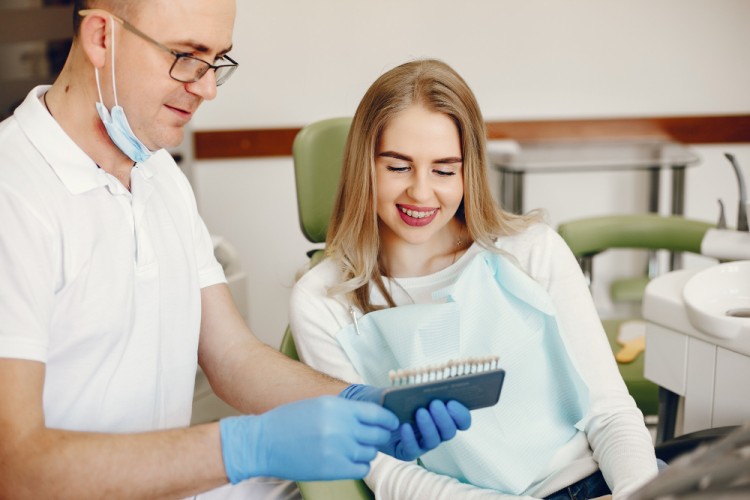
Making the Right Decision for Your Smile
Porcelain veneers can be a life-changing treatment for the right person, offering a beautiful, natural-looking smile when you have good oral health, sufficient enamel, healthy gums, and realistic expectations. By reviewing the 7 key signs and the self-assessment checklist above, you now have a much clearer idea of whether you may be a strong candidate.
If you’re considering porcelain veneers and want personalized advice, the team at Lisgar Park Dental is here to help. We provide thorough consultations to evaluate your eligibility and create a treatment plan tailored to your needs. Book your consultation today and take the next step toward the more attractive smile you deserve.
FAQ
1. Can I get porcelain veneers if I grind my teeth?
Yes, if your grinding is mild and controlled. Severe bruxism often needs treatment or a night guard first.
2. Can I get veneers if I have cavities?
No. All cavities and tooth decay must be treated before veneers can be placed safely.
3. Can I get veneers if I have gum disease?
Not until your gum disease is fully treated and your gums are healthy and stable.
4. What age is best for porcelain veneers?
Usually 18 years and older, once your teeth and jaw have fully developed.
5. Are porcelain veneers permanent?
No. They are long-lasting (10–15+ years) but not permanent and may eventually need replacement.
6. Do veneers damage natural teeth?
A small amount of enamel is removed, but when done correctly, veneers do not significantly damage healthy teeth.
7. How does a dentist determine if I am a good candidate for veneers?
Through a thorough exam that checks your gums, enamel, bite, oral health, and cosmetic goals.
If you’re still unsure whether you’re a good candidate for porcelain veneers, share your questions or experience in the comments and we’ll help you figure it out.
