



Chipping a tooth on the weekend in Toronto can feel alarming. Suddenly dealing with a sharp edge, discomfort, or worry about worsening damage while most dental clinics are closed is stressful for anyone.
Fortunately, a chipped tooth in Toronto that happens during the weekend is highly treatable. In this step-by-step guide, you’ll learn exactly what to do right now at home, how to find reliable emergency dental care in Toronto, and what to expect during treatment, so you can handle the situation calmly and effectively.
Step 1: Stay Calm and Take Immediate Action at Home
The first and most important thing is to stay calm. Panicking can make the situation feel worse than it is. Most chipped tooth Toronto weekend cases are not dental emergencies and can be managed well until you get professional help.
Here’s exactly what you should do right away:
- Rinse your mouth gently with warm water to clean the area and remove any debris.
- Save any broken piece of the tooth. Place it in a clean container with milk or your saliva.
- If there’s bleeding, apply gentle pressure with a clean gauze or cloth.
- Put a cold compress on the outside of your cheek for 10–15 minutes to reduce swelling.
- Cover any sharp edge with dental wax (if you have it) or sugar-free gum to protect your tongue and cheek.
- Take an over-the-counter pain reliever like ibuprofen if you’re feeling discomfort.
Clinical Insight: Most chipped teeth are minor injuries and do not always require immediate emergency treatment. According to clinical guidance from WebMD, in many cases only the outer enamel is affected, which typically does not cause severe pain or urgent complications unless deeper layers are involved.

Step 2: Assess How Serious Your Chipped Tooth Is
Before deciding what to do next, take a moment to assess the extent of the damage. A quick self-check can help you understand whether you’re dealing with a minor chip or a more urgent dental problem.
| What You See or Feel | Severity Level |
| A small chip with no pain or sensitivity | Usually minor |
| A rough or sharp edge that bothers your tongue or cheek | Mild to moderate |
| Sensitivity to hot, cold, or sweet foods | Moderate |
| A large piece of the tooth is missing | Moderate to severe |
| Significant pain when biting or touching the tooth | Severe |
| Visible pink or red tissue inside the tooth | Urgent |
| Swelling, uncontrolled bleeding, or a loose tooth after an injury | Emergency |
A simple rule of thumb: the larger the missing piece, the greater the pain, and the more symptoms you notice, the more urgent the situation becomes.
If your chipped tooth is painless and only affects the outer enamel, it is often less urgent. However, pain, sensitivity, swelling, or visible inner tooth structures may indicate deeper damage that should be evaluated as soon as possible.
Medical Note: According to NCBI medical review on dental trauma, the severity of a chipped tooth depends on how deep the damage extends. If only the enamel is affected, symptoms are usually mild, but when the dentin is exposed, sensitivity increases, and involvement of the pulp can lead to significant pain and a higher risk of infection.
In case your chipped tooth has progressed to a missing tooth, learn more about your treatment options in our guide on Missing Tooth Replacement Options.
Related Topic: Severe Tooth Pain? When to Visit an Emergency Dentist in Toronto
Step 3: Manage Your Chipped Tooth Until You Can See a Dentist
At this stage, the goal is not to treat the tooth, but to prevent the damage from getting worse before your dental appointment. What you should do to avoid worsening the chip:
- Avoid chewing on the side of the chipped tooth to reduce pressure on the damaged area
- Stick to soft foods that do not require biting force
- Avoid hard, crunchy, or sticky foods that can expand or deepen the fracture
- Stay away from very hot or very cold foods and drinks if sensitivity is present
- Try not to touch the chipped edge with your tongue or fingers, as this can irritate or worsen small cracks
- If the edge feels sharp, use a temporary soft cover such as dental wax to reduce irritation
- Keep your mouth clean, but brush gently around the affected tooth without applying pressure
Key Principle: Everything you do at this stage should focus on one thing: preventing further cracking, pain, or irritation until professional dental treatment is available. If discomfort or sensitivity increases over time, it may indicate that the damage is progressing and should be assessed by a dentist sooner rather than later.
Read more: “My Tooth Got Knocked Out!” – Your Emergency Dental Guide in Toronto

Step 4: Finding Emergency Dental Care in Toronto on the Weekend
In Toronto, weekend dental care is not fully consistent. Some clinics operate on Saturdays only, some offer limited Sunday hours, and many are closed. Because of this, the fastest solution is to rely on dedicated emergency dental clinics that explicitly advertise weekend availability, rather than general searches.
For example, Lisgar Park Dental provides emergency dental care on Saturdays, giving patients access to urgent treatment during part of the weekend, while the clinic remains closed on Sundays.
In short, weekend availability varies significantly across Toronto, so focusing on clinics that clearly state “emergency” and checking their Saturday/Sunday hours directly is the most reliable approach.
Need Emergency Help for Your Chipped Tooth?
If you’ve chipped a tooth with pain, sensitivity, or sharp edges, don’t ignore it or wait for it to worsen. Early assessment can prevent further damage and ease discomfort, and Lisgar Park Dental offers Saturday emergency dental care for urgent cases like chipped or broken teeth.
Contact us to arrange your emergency dental visit ASAP!
Step 5: What to Expect During Your Weekend Dental Visit
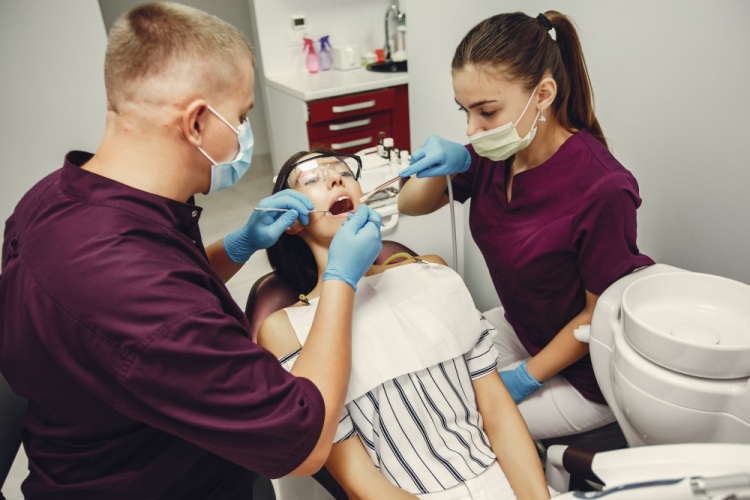
When you visit a weekend emergency dental clinic in Toronto for your chipped tooth, the process is usually quick and focused on relieving pain and preventing further damage.
First, the dentist will examine your tooth, often with a visual check and sometimes an X-ray to see how deep the chip or crack goes. This helps determine whether the damage is only on the surface or has reached deeper layers of the tooth.
Based on the severity, common treatments may include:
- Smoothing rough edges if the chip is minor and only causing irritation
- Dental bonding to rebuild the missing part of the tooth using a tooth-colored material
- Filling or composite restoration if a larger portion is broken
- Dental crown if the tooth structure is significantly weakened
- Temporary protection in more complex cases, followed by a follow-up appointment for full restoration
The main goal of the weekend visit is usually immediate stabilization, including reducing pain, protecting the tooth, and preventing the damage from getting worse until complete treatment can be finished later.
Read more: Dental Fillings Failure Causes: 6 Signs You Need to Visit a Dentist
Step 6: Aftercare and Recovery at Home
After treatment for a chipped tooth, recovery at home is usually simple but requires a bit of care to avoid re-injury.
- Be gentle with the treated tooth for the first few days
- Avoid hard, crunchy, or sticky foods until the tooth feels fully stable
- Maintain normal brushing, but clean the area carefully and without pressure
- If mild sensitivity occurs, it usually improves gradually over a short time
- Take any prescribed or recommended pain relief only if needed
If pain increases, sensitivity worsens, or the repair feels loose, it’s important to contact your dentist for a follow-up check.

How to Prevent Future Chipped Teeth
Preventing chipped teeth mainly comes down to protecting your teeth from unnecessary stress and impact. Avoid biting on very hard objects like ice, pens, or hard candies, and be careful with foods that require excessive force. If you play sports or grind your teeth at night, using a mouthguard can significantly reduce the risk of damage. Regular dental check-ups with your dental hygienist also help identify weak or worn teeth early before they break.
You may also find useful: When to Worry About Tooth Sensitivity and What to Do
Final Thoughts: Don’t Panic! Help Is Available This Weekend
A chipped tooth on the weekend can feel stressful, but in most cases, it is manageable with the right steps. By quickly assessing the severity, protecting the tooth from further damage, and understanding what to expect from emergency dental care, you can handle the situation with much more confidence until professional treatment is completed.
If you need urgent help, Lisgar Park Dental provides emergency dental care on Saturdays, offering timely support for chipped teeth and other dental emergencies. Our experienced team is ready to support you with weekend emergency dental care, so you don’t have to wait through the discomfort.
FAQ
1. Can I wait until Monday to see a dentist for my chipped tooth?
It depends on the severity. Minor chips can usually wait until Monday, but if you have pain, sensitivity, or sharp edges, seek emergency care sooner.
2. How much does emergency dental treatment cost in Toronto on the weekend?
The cost depends on the extent of the damage and the treatment required. The best way to get accurate pricing is to contact the clinic directly for an assessment and personalized estimate.
3. What should I do if my chipped tooth starts hurting more over the weekend?
Take over-the-counter pain relief, apply a cold compress, and contact an emergency dental clinic immediately.
4. Should I try to glue the broken piece back onto my tooth myself?
No. Keep the piece in milk or saliva and let a dentist reattach it professionally if possible.
5. Does dental insurance cover emergency treatment for a chipped tooth?
Many dental insurance plans cover at least part of emergency dental treatment. Coverage varies by provider and policy, so it’s best to contact your insurer or dental clinic to confirm your benefits.
Have you ever chipped a tooth on a weekend or had a dental emergency when most clinics were closed? Share your experience or questions in the comments below.
We’d love to hear from you and help where we can.
