
If you wake up every morning with a sore jaw, tension headaches, or a clicking that won’t quit, you already know how exhausting TMJ pain can be! At Lisgar Park Dental, we see patients dealing with TMJ disorder every day. And more and more, one treatment is changing the conversation: Botox. Not the cosmetic kind you might be picturing, but a targeted, therapeutic approach that goes straight to the source of the pain: your overworked jaw muscles.
In this post, we’ll walk you through Botox for TMJ pain in Toronto, what our patients actually experience, whether you might be a candidate, and what a treatment looks like from start to finish. Let’s start with what’s actually going on in your jaw.
What Is TMJ Disorder?
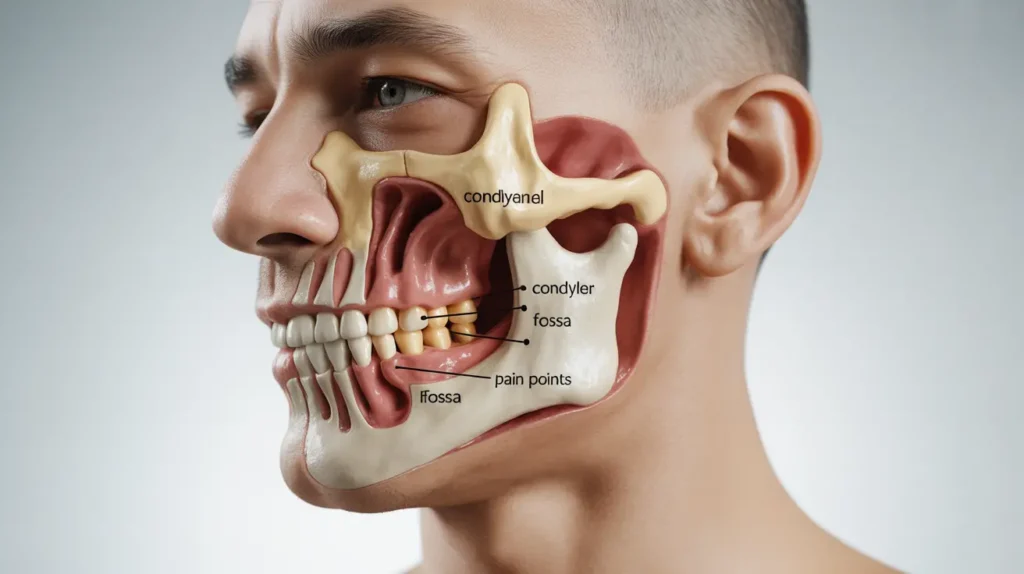
In simple words, TMJ disorder, or TMD, is a group of musculoskeletal and neuromuscular conditions that make the temporomandibular joint (TMJ) and the muscles that move the jaw hurt and not work properly.
Sounds familiar? You might have TMJ disorder
Many of the patients had these symptoms when they came to see us:
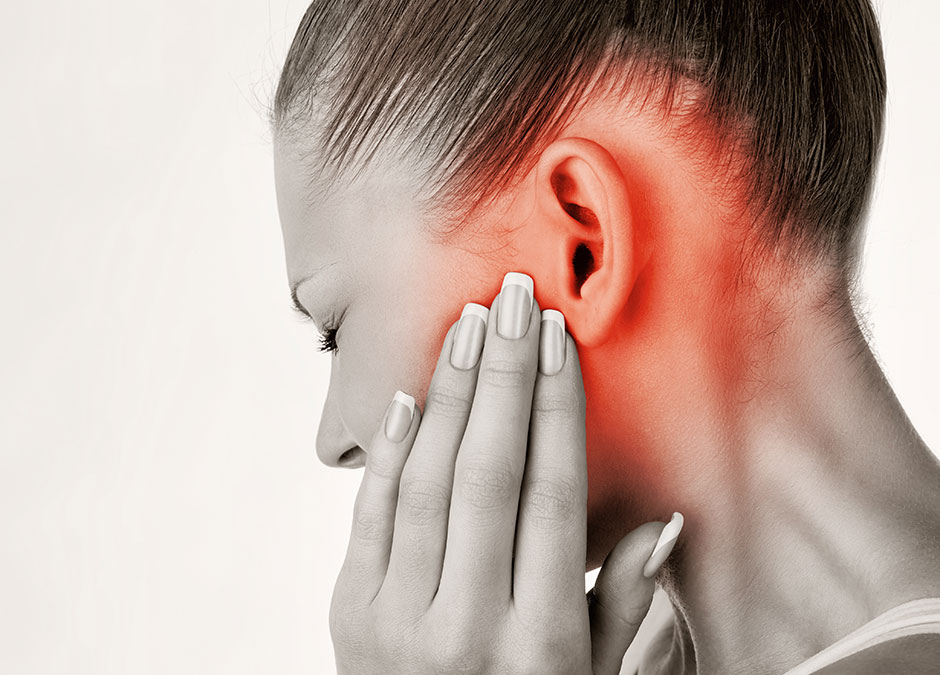
- Pain: Chronic pain in the facial area and chewing muscles is the most common symptom. It can affect areas such as the jaw, ears, temples, eyes, throat, and neck.
- Headache: People often say they have headaches. Most headaches are tension-type, with constant pressure around the temples, forehead, or back of the head.
- Jaw Joint Noise: Have you ever heard clicking or popping sounds when you chew or open your mouth? It might be a symptom of TMD.
- Jaw Locking: Locking of the jaw during opening or closing is another common symptom.
- Bruxism: If you wake up with a stiff jaw and pain, it’s because you were grinding your teeth, which is another sign of TMJ.
If you’re experiencing any of these symptoms, consider booking an appointment with Lisgar Dental Clinic.
What does Botox actually do to your jaw muscles?
Studies have shown mixed results, and the FDA has not yet approved Botox as a treatment for TMJ disorders. But this research on PubMed suggests that botulinum toxin A (BoNT-A) injections may offer benefits for nocturnal bruxism and associated temporomandibular symptoms, particularly by alleviating pain and enhancing jaw function.
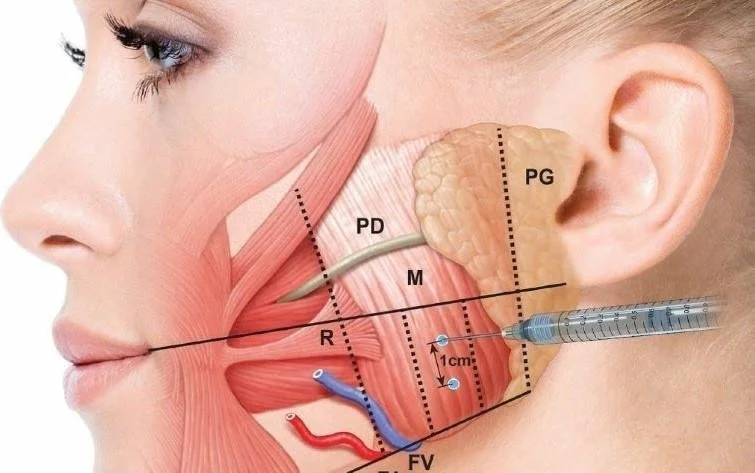
Botox (botulinum toxin, BTX) stops the release of acetylcholine at neuromuscular junctions, which causes the targeted muscles, like the jaw muscles, to relax or become temporarily paralyzed.
This reduces muscle activity and tension, which can help with pain and other symptoms associated with temporomandibular disorders (TMDs) or bruxism.
What did patients experience after TMJ Botox at Lisgar Clinic?
Our experience at Lisgar Dental Clinic has shown that many of our patients feel better in their jaws. They reported a reduction in jaw clenching, teeth grinding, jaw pain, and tension headaches in a matter of days to weeks.
Some people find it easier to chew or open their mouth, and others experience fewer headaches after receiving Botox.
Overall, we suggest that you book an appointment with our expert team to see if you need it or not.
Find Relief from Jaw Pain Without Surgery
If TMJ pain is interfering with your comfort, sleep, or focus, it may be time to consider a different method. Our clinic offers carefully planned Botox treatments designed to target the root cause of muscle tension in the jaw.
Book your consultation now!
Is Botox right for your TMJ? A simple self-check
Botox is not a first-line treatment for TMJ disorder, but it can be a game-changer for specific types of TMJ problems. Let’s do a quick test to see if you are a candidate for that:
1. Do you wake up with a sore jaw or headaches?
✅ Botox candidate: You wake up with tension headaches, have sensitive teeth, or your partner hears you grinding your teeth at night.
2. Is your main symptom muscle pain?
Botox is a muscle relaxant. It works by blocking nerve signals to the jaw muscles (especially the masseter and temporalis). It does not fix a damaged joint! So:
✅ Botox candidate: Your jaw feels sore, tired, or rock-hard from clenching/grinding.
3. Do you have any of these medical conditions?
Botox might be an option for you if other treatments haven’t worked.
In a nutshell, you are not a Botox candidate for TMJ if you have the following:
❌ Myasthenia gravis or ALS (neuromuscular diseases)
❌Allergy to any botulinum toxin product
❌Pregnancy or breastfeeding
❌Infection at the injection site
Side Effects of Botox for TMJ Pain
Botox is usually safe if you go to a good clinic, but there are some side effects:
1. Common Side Effects (Occur in >10% of patients)
- Pain, bruising, and swelling at the injection site: You might feel sore, have a small bruise or a lump at the needle site in 2 to 7 days.
- Temporary muscle weakness: Another common reaction that lasts 2 to 4 weeks is feeling like you can’t clench as hard or that chewing feels different or weaker.
- Headache: A mild, dull headache that starts a few hours after the shots may last for 24 to 48 hours.
2. Uncommon Side Effects (Occur in 1-10% of patients)
- Having trouble chewing or eating: Sometimes it’s hard to bite into hard foods like sandwiches or apples, or food feels “harder” to chew.
- Dry Mouth: Sometimes, even when you drink a lot of water, your mouth feels sticky and dry. This can happen to your salivary glands or autonomic nerves.
- Frozen Smile: Some patients said that when they smile, one side of their mouth doesn’t lift as high as the other, or they can’t smile as widely. It can last from three weeks to six months.
3. Rare but Serious Side Effects (<1% of patients)
These reactions are rare and require immediate evaluation.
- Dysphagia (trouble swallowing): Call your doctor right away if you feel like food is stuck in your throat, cough or choke when you drink liquids, or have a globus feeling. This is an urgent situation.
- Respiratory difficulty: Shortness of breath, wheezing, or feeling like you can’t take a deep breath happens when toxin affects the diaphragm or accessory breathing muscles. This is a medical emergency and needs immediate action.
- Blurred or double vision: In rare cases, the toxin affects eye movement muscles, which can cause double vision.
Why choose Lisgar Park Clinic for your TMJ Botox treatment?
Our experienced team at Lisgar Park Dental combines medical accuracy with a patient-centered approach to give you therapeutic Botox care that works and feels good. We take the time to look at your specific symptoms and tailor your treatment to give you the best pain relief and necessary instructions.
During treatment for TMD, small exact amounts of Botox are injected into important jaw muscles, like the temporalis and masseter muscles. These shots work well to stop too much muscle activity that causes jaw pain, facial pain, chronic headaches, and teeth grinding.
The procedure is not very invasive, doesn’t require any time off, and the relief usually lasts for three to six months. Contact us for more information and for your consultation.
FAQ
How long does Botox last for TMJ pain?
Results typically last 3 to 6 months. Most patients notice relief within 3 to 7 days, with full effect around the 2-week mark.
Does Botox for TMJ hurt?
Most patients feel only a mild pinch. The appointment takes 20 to 30 minutes with no downtime; you can return to your day immediately after.
How many Botox injections are needed for TMJ?
The exact number depends on your muscle size and symptom severity. Our doctors will assess your case during your consultation.
Have questions or experiences with TMJ pain?
Share your thoughts and join the conversation below!
