



Tooth sensitivity, often described as a sharp, temporary pain, occurs when the dentin (the softer layer of your tooth beneath the enamel) becomes exposed. This exposure allows external stimuli like hot, cold, sweet, or acidic foods and drinks to reach the nerves inside your tooth, causing that familiar jolt. Some level of tooth sensitivity is normal, but when should you worry about tooth sensitivity? Let’s discover.
Understanding Tooth Sensitivity
While many people experience some degree of tooth sensitivity, it’s vital to recognize that not all sensitivity is created equal. Sometimes, it’s a minor issue easily managed with desensitizing toothpaste. Other times, it’s a critical indicator of a deeper problem that requires professional intervention.
Common, Less Serious Causes of Tooth Sensitivity
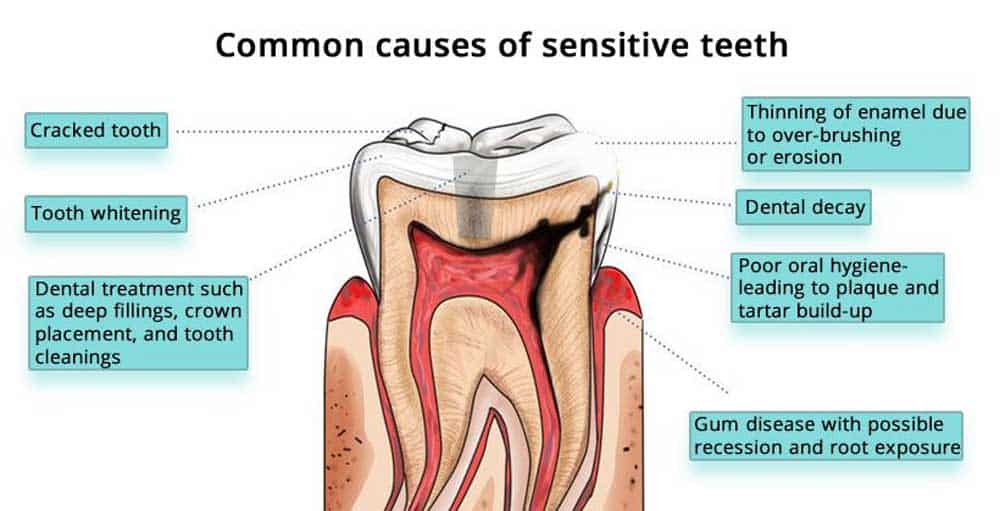
- Temporary Gum Recession: Aggressive brushing can temporarily expose root surfaces.
- Acidic Foods and Drinks: Frequent consumption can erode enamel over time, leading to minor sensitivity.
- Teeth Whitening Products: Many whitening agents can cause temporary sensitivity as a side effect.
- New Dental Work: It’s common to experience some sensitivity after a dental filling, crown, or other dental procedure, which usually subsides within a few weeks.
Signs You Should Worry about Tooth Sensitivity
While minor sensitivity might resolve on its own, certain symptoms indicate that you should be concerned about tooth sensitivity and seek professional dental advice. These are the signs that your sensitive teeth might be a sign of something serious:
- Persistent Pain: Sensitivity that lasts for more than a few seconds after the stimulus is removed.
- Spontaneous Pain: Tooth pain that occurs without any apparent trigger, such as hot or cold.
- Pain with Biting or Chewing: Discomfort when you apply pressure to a tooth, which could indicate a crack or cavity.
- Visible Swelling or Redness: Swelling in the gums around a sensitive tooth, or swelling in your face or jaw, points to potential infection.
- Discolouration of a Tooth: A tooth that has turned dark grey, black, or even pink could signify nerve damage or an abscess.
- Bad Taste or Odour: A persistent bad taste in your mouth or noticeable bad breath, especially if localized to one area, can indicate an infection or abscess.
- Sensitivity After Trauma: If you’ve recently experienced a dental injury, even a minor one, and develop sensitivity, it’s crucial to get it checked.
- Pain that Wakes You Up: If tooth sensitivity is severe enough to disrupt your sleep, it’s a strong indicator of a serious underlying issue.
Causes of Serious Tooth Sensitivity
When you should be concerned about tooth sensitivity, it’s often because an underlying condition is at play. Understanding these causes can help you recognize the urgency of seeking treatment.
Cavities and Tooth Decay
One of the most common reasons for increased tooth sensitivity is the presence of a cavity. As decay erodes your enamel, it creates an opening that exposes the sensitive dentin and eventually the pulp (nerve) of your tooth to external stimuli. The deeper the cavity, the more pronounced and persistent the sensitivity.
Gum Recession and Gum Disease
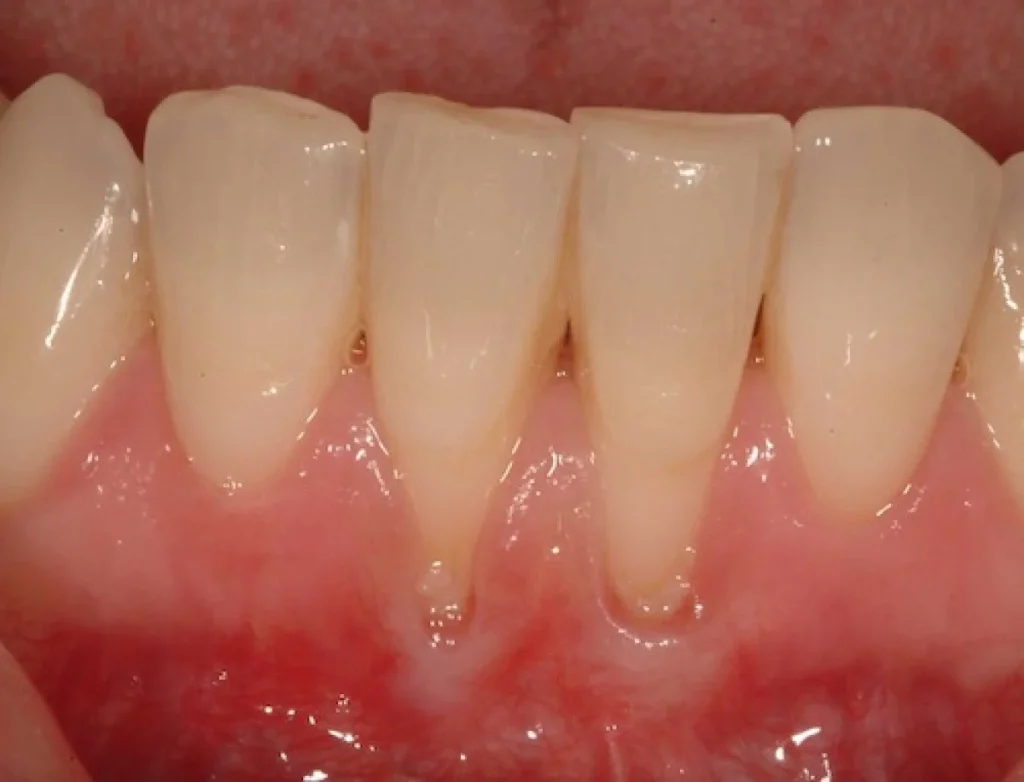
Gum disease (gingivitis or periodontitis) can lead to gum recession, where the gum tissue pulls away from the teeth, exposing the roots. Tooth roots are not protected by enamel and are highly sensitive. If left untreated, gum disease can cause bone loss and even tooth loss, making persistent sensitivity a critical warning sign.
Cracked or Chipped Teeth
A cracked or chipped tooth, even a hairline fracture invisible to the naked eye, can expose the inner layers of the tooth to bacteria and stimuli. This can cause sharp, sudden pain, especially when biting or releasing pressure. These cracks can deepen over time, leading to infection if not addressed promptly.
Worn Enamel (Erosion/Abrasion)
Enamel is the hard, protective outer layer of your teeth. Excessive brushing with a hard-bristled toothbrush, grinding or clenching your teeth (bruxism), or a highly acidic diet can wear down enamel, exposing the dentin beneath. This can lead to widespread sensitivity across multiple teeth.
Abscess or Infection
An abscess is a pocket of pus caused by a bacterial infection, often at the root of a tooth. This can result from untreated decay, a deep crack, or severe gum disease. An abscess is a serious condition that can cause intense, throbbing pain, swelling, fever, and a general feeling of unwellness. Sensitivity in this context is usually severe and constant.
Recent Dental Work
While typically temporary, sensitivity after dental procedures like fillings, dental crowns, or root canal therapy can occasionally persist or worsen. If the sensitivity doesn’t improve within a few weeks or becomes more severe, it’s important to consult your dentist as it could indicate an issue with the restoration or underlying tooth structure.
When Should You See a Dentist in Toronto for Sensitive Teeth?
If you’re experiencing any of the concerning signs mentioned above, or if your tooth sensitivity is disrupting your daily life, it’s time to see a dentist. You should worry about sensitive teeth if the pain is severe, persistent, spontaneous, or accompanied by other symptoms like swelling or discolouration.
Delaying treatment can lead to more complex and costly problems down the line. Early diagnosis and intervention are key to preserving your oral health and preventing further damage. At Lisgar Park Dental in Toronto, we understand these concerns and are here to provide compassionate, expert care.
Let the Sensitivity and Your Concerns Go Away Today!
Don’t let tooth sensitivity cause you unnecessary worry. Schedule a consultation with Lisgar Park Dental and make sure of your dental health.
Book your consultation now!
Can Tooth Sensitivity Go Away On Its Own?
For very mild, temporary sensitivity caused by factors like teeth whitening or occasional acidic food consumption, it might improve on its own with time and careful oral hygiene. However, if your tooth sensitivity is persistent, severe, or accompanied by any of the warning signs discussed, it’s highly unlikely to resolve without professional intervention.
Ignoring serious tooth sensitivity can lead to the progression of underlying issues, potentially resulting in more pain, extensive damage, and more complex treatments. It’s always best to err on the side of caution and get a professional opinion.
What to Expect During Your Visit to Lisgar Park Dental
When you visit Lisgar Park Dental for tooth sensitivity, our experienced team will conduct a thorough examination to determine the root cause of your discomfort. We’ll start by discussing your symptoms, medical history, and oral hygiene habits.
- Comprehensive Examination: We’ll carefully examine your teeth and gums, looking for signs of decay, gum recession, cracks, or other issues.
- Diagnostic Imaging: X-rays may be taken to identify problems not visible during a visual exam, such as deep cavities, bone loss, or abscesses.
- Sensitivity Tests: We may use various tests, such as applying cold air or tapping on teeth, to pinpoint the exact tooth or area causing the sensitivity.
Once a diagnosis is made, we’ll discuss the most appropriate treatment options tailored to your specific needs. These could include:
- Desensitizing Toothpaste or Varnishes: For milder cases, professional-grade desensitizing agents can provide relief.
- Fillings or Crowns: To repair cavities, chips, or cracks and protect exposed dentin.
- Gum Grafts: To cover exposed tooth roots caused by gum recession.
- Root Canal Therapy: If the sensitivity is due to an infected or damaged pulp, a root canal may be necessary to save the tooth.
- Treatments for Bruxism: Custom mouthguards can protect teeth from grinding and clenching.
Conclusion
Understanding when you should be concerned about tooth sensitivity is the first step towards protecting your oral health. While minor aches can often be managed, persistent or severe sensitivity is your body’s way of telling you that something is amiss. Don’t wait for the pain to become unbearable.
At Lisgar Park Dental, we are dedicated to providing the residents of Toronto with exceptional dental care. If you’re experiencing concerning tooth sensitivity, contact us to diagnose the problem and offer effective solutions to restore your comfort and health. Your smile is important, and we’re here to help you keep it healthy and pain-free.
FAQ
Can sensitive teeth be a sign of something serious?
Yes, absolutely. While some sensitivity is minor, persistent or severe sensitivity can be a sign of serious issues like deep cavities, gum disease, cracked teeth, or even an infection or abscess. It’s crucial not to ignore these symptoms.
What does a sudden sensitive tooth mean?
A sudden onset of sensitivity, especially if sharp and localized, could indicate a new cavity, a developing crack in the tooth, or even a recent injury. It warrants a prompt dental check-up to identify the cause.
Is it normal for teeth to be sensitive after a filling?
It’s common to experience some mild sensitivity after a filling, particularly to hot or cold, for a few days to a couple of weeks. This usually subsides as the tooth settles. However, if the sensitivity is severe, persistent, or worsens, it’s important to contact your dentist.
How can I prevent severe tooth sensitivity?
Prevention involves good oral hygiene, including gentle brushing with a soft-bristled brush, using fluoride toothpaste, and regular flossing. Avoiding highly acidic foods and drinks, wearing a nightguard if you grind your teeth, and regular dental check-ups are also crucial steps in preventing severe sensitivity.
Does using desensitizing toothpaste really work?
For mild to moderate sensitivity, desensitizing toothpastes can be very effective. They contain compounds that block the tiny tubules in the dentin, preventing stimuli from reaching the nerves. Consistent use over several weeks is usually needed to see results.
Have questions or experiences with tooth sensitivity?
Share your thoughts and join the conversation below!
