


As dental professionals, we often see a surge in appointments as soon as the Canadian temperature drops. Patients come in with the same story: they stepped outside, took a breath of cold air, and felt a sharp, electric jolt through their teeth. If this sounds familiar, you aren’t alone. Teeth hurt when it’s cold, or cold-sensitive teeth (clinically known as dentin hypersensitivity), is one of the most common concerns we treat. Understanding why this happens is the first step toward enjoying your morning coffee or a winter walk without fear of that sudden zap.
Why Do Your Teeth Hurt When It’s Cold?
To understand the pain, we have to look at the anatomy of your tooth. The outer layer of your tooth is enamel, which is the hardest substance in the human body. Underneath that enamel is a layer called dentin, which contains thousands of microscopic pathways known as tubules.
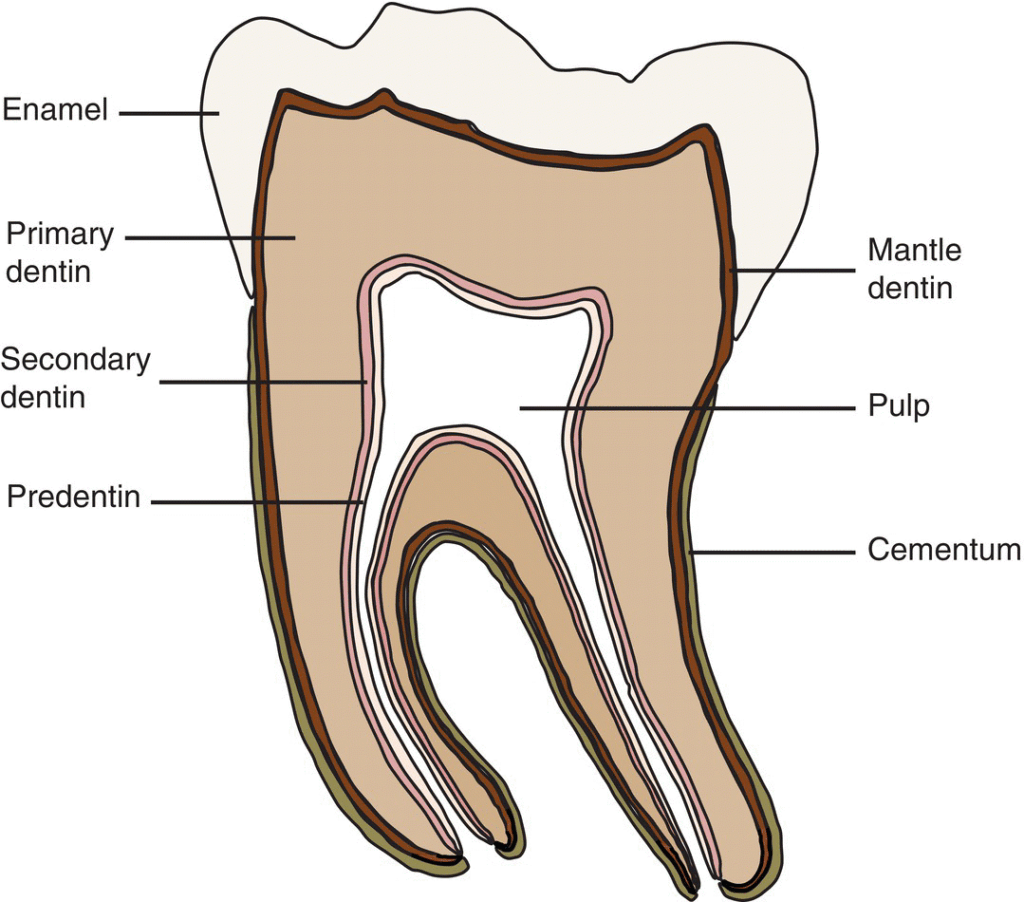
These tubules lead directly to the tooth’s pulp, where the nerves and blood vessels live. When your enamel thins or your gums recede, these pathways become exposed. According to the Cleveland Clinic’s overview of tooth sensitivity, these open tubules allow the cold stimulus to reach the nerve almost instantly, triggering that characteristic flash of pain.
Common Causes We See in the Clinic
While cold air is the trigger, it isn’t usually the root cause. When you visit us, we look for several underlying factors:
- Gum Recession: This is perhaps the most frequent cause. If your gums pull back due to age or periodontal disease, they expose the tooth’s root. Roots do not have enamel protection, making them incredibly sensitive to temperature.
- Aggressive Brushing: Many patients are surprised to learn they are over-brushing. Using a hard-bristled brush or applying too much pressure can actually scrub away your enamel over time.
- Enamel Erosion: Frequent consumption of acidic foods and drinks (like soda or citrus) can chemically dissolve enamel.
- Bruxism (Teeth Grinding): Constant clenching or grinding puts immense pressure on your teeth, leading to micro-cracks and worn-down biting surfaces.
A Real-Life Example
We recently saw a patient who loved snowshoeing but found the tooth pain so intense she was considering staying indoor all winter. Upon examination, we found she had a slight gum recession and a habit of breathing through her mouth while exercising.
We recommended she switch to a toothpaste designed for sensitive teeth to help block those microscopic tubules. We also suggested a simple behavioral change: breathing through her nose and wearing a scarf over her mouth to pre-warm the air. Within three weeks, she was back on the trails with significantly reduced discomfort.
Simple Sensitivity vs. Serious Dental Problems
If your teeth hurt when it’s cold, it is important to recognize that not all cold pain is the same. While some discomfort is a natural result of exposed dentin, other types of pain serve as a warning signal for underlying infections or structural damage.
To help you determine if your pain requires a routine change or an urgent appointment, we’ve broken down the key differences:
| Feature | Routine Sensitivity (Dentin Hypersensitivity) | Serious Dental Concern (Caries, Pulpitis, or Fracture) |
| Duration of Pain | Short and sharp; disappears almost instantly after the cold is removed. | Lingering or throbbing ache that lasts for minutes or hours after exposure. |
| Localization | Often felt across multiple teeth or a general area of the mouth. | Usually localized to one specific, identifiable tooth. |
| Spontaneous Pain | Only occurs when triggered by a stimulus (cold, air, sugar). | Can occur spontaneously, such as a dull ache while resting or waking you up at night. |
| Physical Signs | Might see slightly receded gums, but the tooth looks intact. | May involve visible cracks, dark spots (decay), or a pimple on the gums (abscess). |
| Reaction to Pressure | Usually doesn’t hurt to bite down, only reacts to temperature. | Sharp pain when biting or tapping the tooth often indicates a crack or infection. |
| Urgency | Can be managed with home care and a routine checkup. | Requires a prompt or emergency dental visit to save the tooth. |
Professional Solutions for Lasting Relief
If at-home changes—like using a soft toothbrush and desensitizing toothpaste—don’t provide relief within a few weeks, it’s time for a clinical assessment. Depending on the cause, we offer several professional treatments:
- Desensitizing Agents: We can apply high-concentration fluoride varnishes or sealants in-office to plug the exposed tubules.
- Bonding: If you have significant enamel loss at the gum line, dental bonding can be a solution. We can apply a tooth-colored resin to act as a permanent protective shield.
- Custom Night Guards: If grinding is the culprit, a custom-fitted guard protects your enamel from further wear while you sleep.
When Should You Book an Appointment?
Not all tooth pain is simple sensitivity. If you notice that the pain is localized to one specific tooth, if the ache lingers for more than a minute after the cold exposure is gone, or if you see a visible crack, please contact us immediately. These can be signs of a cavity or a fractured tooth that requires prompt attention to prevent infection.
Fix That Tooth Pain Today!
If you’re avoiding cold drinks or wincing every time you step outside, you don’t have to just live with it. Most tooth sensitivity is easy to treat once we know the cause.
Book your consultation now!
At our clinic, we believe no one should have to hide from a Canadian winter because of dental pain. If the cold is hitting your teeth a little too hard this season, let’s find a solution together.
Conclusion
Living in Canada means embracing the cold, but that shouldn’t have to include dental pain. Understanding that your teeth are dynamic, living structures is the first step toward better oral health. Whether your sensitivity is caused by a simple change in brushing habits or requires a more protective clinical treatment like bonding or a custom night guard, there is almost always a path to relief.
Our team at Lisgar Park Dental is here to help you identify the exact cause of your discomfort and build a plan that lets you enjoy every bit of the Canadian outdoors. Contact our clinic today to schedule a sensitivity assessment, and let’s make sure your smile stays bright and pain-free all winter long.
Why are my teeth suddenly sensitive to the cold?
Sudden sensitivity is often caused by enamel wear or receding gums, which expose the sensitive inner layer of the tooth. It can also be triggered by a new cavity, a cracked tooth, or even a recent dental filling.
How long does cold sensitivity last?
If it is simple sensitivity, the zap should disappear almost immediately after the cold stimulus is removed. If the pain lingers for minutes or occurs without a trigger, it may indicate an abscess or a deeper issue that needs a dentist’s attention.
Can I fix sensitive teeth at home?
Yes, many patients find relief by switching to a soft-bristled toothbrush and using a desensitizing toothpaste. These toothpastes work by slowly blocking the pathways to the nerve, though it usually takes 2 to 4 weeks of consistent use to see results.
Does cold weather actually damage my teeth?
Extreme temperature shifts can cause your teeth to expand and contract, which may lead to microscopic craze lines in your enamel over time. While these aren’t always emergencies, they can make sensitivity more noticeable during the winter months.
When should I see a dentist about sensitivity?
You should book an appointment if the pain is sharp and persistent, if it’s concentrated in just one tooth, or if your gums are red and swollen. We can apply professional sealants or bonding to provide immediate protection that toothpaste cannot.
Have questions or experiences with tooth pain and sensitivity during the cold weather?
Share your thoughts and join the conversation below!
